It's the ultimate escape: unplugging in the great outdoors at a remote retreat, with stunning natural scenery and larger-than-life activities to entertain from dawn to dusk. These are the best destinations for ultimate wilderness vacations that offer adventure as well as luxury and serenity at top lodges.
For Fly-Fishing & Horseback Riding: American West
From Big Sky, Montana to the Grand Canyon, the American West is an iconic destination for a wilderness escape full of hiking and biking in top national parks, horseback riding at stylish dude ranches, fly-fishing on trout-filled rivers, Wild West nostalgia and patriotic fun.
EXPERIENCE SPOTLIGHT: If you love The Ranch at Rock Creek, add Green O to your list. This sophisticated, adults-only retreat is located in Montana's remote Greenough township, on the southern edge of the 37,000-acre Paws Up Montana. The property features 12 design-minded, freestanding "hauses"—including elevated tree houses, forest homes with floor-to-ceiling windows offering 180-degree views and "Green Hauses" with living garden roofs. Highlights include a seasonal fine-dining concept; a serene spa, located within a collection of tents to promote immersion in nature; access to 100-plus miles of trails for hiking and riding, as well as 10 miles of the Blackfoot River for fishing and kayaking; and adventure activities like archery, ATV tours, rappelling, shooting and whitewater rafting. Plus: guests are able to explore the full expanse of the ranch at Paws Up Montana.
Where to Stay
For Heli-Touring: Alaska & Iceland
Alaska is, simply, epic. Here, travelers can heli-ski in the morning, have a picnic lunch on a glacier and salmon fish in the evening—plus, go mountain biking, bear-viewing, kayaking and mushroom foraging. Best of all, this ecological wonderland is raw, remote and astonishingly untouched. Few other places on earth are home to such a wide variety of dramatic landscapes—except, perhaps, Iceland. This extraordinarily pristine island offers otherworldly terrain that is ripe for expeditions—such as glacier trekking, volcano hiking, horseback riding, fjord cruising and mountain glamping—and it is one of the best places to view the Northern Lights, especially from September to April.
EXPERIENCE SPOTLIGHT: Those seeking an uber-remote experience will be dazzled by Sheldon Chalet, accessible only by helicopter. Built on the only private concession in the mountains of Denali National Park, the property offers unparalleled access to the summit of Denali (and incredible views). Due to the remote location, there's no access to cell service or WiFi—allowing guests to fully immerse themselves in elevated cuisine, fascinating history and life-changing exploration of the glaciers, including ice-cave spelunking, flying through the canyons via helicopter and visiting a Mastodon boneyard.
Where to Stay

Tordrillo Mountain Lodge
One of the top luxury properties in Alaska, Tordrillo Mountain Lodge offers numerous onsite activities and modern amenities.
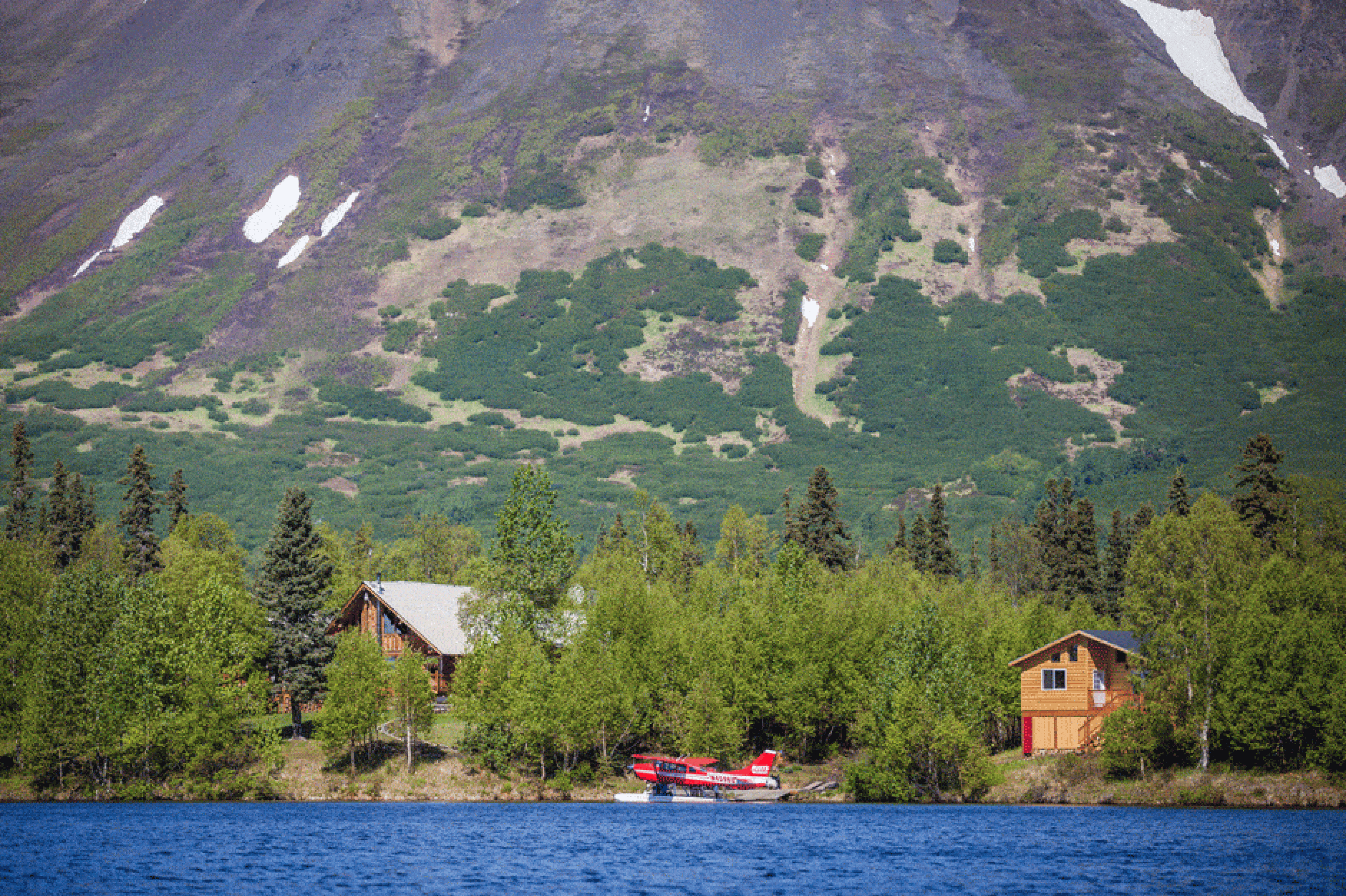
Eleven Winterlake Lodge
Whether coming from Anchorage in the winter or summer, guests always make a grand entrance at Winterlake Lodge, arriving either by helicopter or float plane. Originally built as a family fishing cabin, Winterlake Lodge remains family-owned, with Carl and Kirsten Dixon at the helm. Set on a lake system 20 miles outside of Denali National Park, in Alaska’s magnificent Interior region, Winterlake is a serene, almost sacred place, and its backcountry, homegrown vibe only enhances the magic. The sister property to Tutka Bay Lodge, Winterlake also serves as the Fourth Checkpoint on Alaska’s famed Iditarod Trail and is home to 20 Alaskan huskies and a fantastic seasonal dog mushing school.
With six standalone cabins housing one to three bedrooms each, the property feels intimate and uniquely individualized, hosting only 20 guests at a time. All accommodations are fresh, comfortable and well-appointed, featuring basic en-suite bathrooms with showers, and most have private outdoor decks with sweeping views of the lake and distant mountain ranges. The Western-inspired main lodge features cozy indoor and outdoor nooks for lounging. Guests can curl up with a book from the lodge’s well-stocked library (which doubles as a wellness area where yoga, meditation and stretching classes are offered), enjoy a massage in the small treatment room or play darts and ping pong in the lodge’s game room. During the summer, guests can partake in Winterlake’s “sauna-plunge” tradition, enjoying the warmth of the annexed sauna or outdoor hot tub, before jumping off the dock into the chilly lake below.
The lodge staff is young, vibrant and enthusiastic, creating a warm and welcoming atmosphere that is both comfortable and professional. The knowledgeable guides ensure that guests’ dreams of adventure are aptly fulfilled, and lodge-based activities are customized to suit the full range of guests’ experience levels and interests. Like its sister property, Winterlake Lodge offers wonderful culinary experiences developed by owner Kirsten Dixon, a renowned Cordon Bleu chef. There is a Western-style bar, where guests convene for wine tastings and appetizers in the evenings, and complimentary cooking classes are offered in the lodge’s spacious kitchen.
During the spring and summer months, the property offers kayaks, canoes, stand-up paddle boards and a motorboat for self-guided activities and wildlife viewing around the lake. Fishing, mountain biking and several great hiking trails are accessible directly from the property. And, with every three-night booking, one helicopter-based activity is included for an out-of-lodge adventure, such as dogsledding, ice climbing, glacier trekking, rafting or fishing. Snow bunnies, in particular, will love visiting the lodge’s dog camp, set on a nearby mountain glacier, where guests can try their hand at traditional dog mushing: a quintessential Alaskan experience.
Like many of Alaska’s more remote lodges, the property runs on a generator, so water and electricity usage are restricted at night, and WiFi can only be accessed in the main lodge.

Sheldon Chalet
A luxurious haven for adventurers, the five-bedroom Sheldon Chalet sits on the only privately-owned land in the mountains of Denali National Park, Alaska, offering unmatched views of Mount Denali’s summit from the comfort of your bed.

Eleven Deplar Farm
Owned by pioneering adventure travel company Eleven Experience, the pampering, 13-room Deplar Farm resort in northern Iceland is one-of-a-kind.
For Hiking: Chilean Patagonia & Bhutan
Chilean Patagonia is famous for its bright-blue glacial lakes, plentiful wildlife and snow-capped peaks, so it's no surprise that the destination tops the list for most outdoor junkies—but the excursions, which range from volcano sledding to fly-fishing and horseback riding on a working estancia, are varied enough to please travelers of all ages and interests. But the hiking here is particularly exceptional. Says Indagare founder Melissa Biggs Bradley, "In Chile’s unusual “bio-island,” which has been created by the Pacific on one side, the Andes on the other, the Atacama Desert in the north and the Antarctic Sea in the south, there are few insects, no dangerous snakes nor bears. It is a hiker’s paradise, with thousands of miles of trails—including the 1,700-mile Route of Parks and the 3,000-kilometer Greater Patagonian Trail. Torres del Paine is the most famous of its parks, because of what my guide termed the “Great Patagonia Illusion.” The massifs of Torres del Paine rise 9,000 feet into the sky and are covered in glaciers and snow with the drama of high-altitude peaks like the Himalayas and the Andes, but they sit at sea level. With the wild, Antarctic-influenced weather, the massifs hold some of the last glacial vestiges of the Ice Age. The winds also create lenticular clouds, shaped like UFOs, known as Patagonian spaceships. Elsewhere, such dramatic landscapes and daily sky shows are reserved only for those who have trekked to extremely high altitudes."
EXPERIENCE SPOTLIGHT: Only 25 minutes from Torres del Paine National Park, Tierra Patagonia offers luxurious yet environmentally conscious rooms with stunning views of the Massif from every window. The property's private concession stretches to the picture-perfect Lake Sarmiento and is home to pumas, condors and guanacos, and guests can visit nearby estancias for scenic horseback rides.
Meanwhile, halfway across the world, Bhutan sits at the foot of the Himalayas and is another top hiking destination adored by Indagare adventurers. The country has remained largely isolated from the advances of modern technology for centuries, protecting one of the world’s most fascinating cultures (Bhutan claims to be the happiest country on earth) and beautiful landscapes that are truly untouched (Bhutan is the only country that is carbon-negative). Explore this captivating place with daily hikes through rural towns and lush forests, as you make your way to the legendary Tiger’s Nest—a four-mile trek with an elevation gain of approximately 1,700 feet. Along the way, relax at incredible lodges from Six Senses and Aman.
Where to Stay
For Glamping: Canada
Massive and complex, Canada's sprawling swaths of scenic wilderness offer travelers a host of idyllic summer retreats, where the focus is on hiking, fishing and soaking in your surroundings.
EXPERIENCE SPOTLIGHT: Clayoquot Wilderness Lodge was a pioneer in the glamping movement and is still one of its best practitioners. Located in the heart of the Pacific Northwest, this tented camp provides a unique wilderness experience with sublime food and service in a gorgeous, rugged setting. Where Clayoquot really shines is in its excursions, which are all led by the fun, young staff guides; nothing is outsourced. For an even more private experience, Nimmo Bay Wilderness Resort is set on the shores of a secluded bay off of British Columbia, with only nine cabins. This elegantly appointed, intimate wilderness lodge has been family-run for more than three decades. While some guests come for such outdoor adventures as kayaking through the Broughton archipelago or cruising around in a boat to observe the abundant wildlife, the property's real specialty is its highly regarded heli-fishing program.
Where to Stay

Clayoquot Wilderness Lodge, Beckons
In the heart of the Pacific Northwest, Clayoquot Wilderness Lodge is a tented camp offering a unique wilderness experience and unforgettable service.

Nimmo Bay Wilderness Resort
Tucked on the shores of a secluded bay off the coast of British Columbia, Nimmo Bay is an intimate wilderness lodge that has been family run for more than three decades. While some guests come for such outdoor adventures as hiking in the Great Bear Rainforest, kayaking through the Broughton archipelago, or cruising around in a boat to observe the abundant wildlife, the lodge’s real specialty is its highly regarded heli-fishing program. Guests can opt to have a dedicated helicopter pilot for anything from a full day to an entire stay, at a cost starting at 2500 CAD per person per day, to take them to a different fishing spot each day.
For those doing a helicopter program, the day begins as you lift off the resort’s helipad with your dedicated pilot guide and head towards the horizon. You might start by flying over misted spruce tops and the inland passages of the mainland coast as you head towards a remote, salmon-filled glacial river. Then it’s a morning of fishing or exploring until lunch, which may be on a coastal stream or atop a 10,000-year-old glacier. The advantage of the helicopter is in the amount of ground you can cover and the variety of experience this opens up. You might choose to spend a morning on a pristine, white sandy beach on the west coast of Vancouver Island, soaking your feet in the Pacific Ocean, and then head up to mountain summit in the afternoon to admire the view from 7,000 feet atop a diamond-blue glacier.
Nimmo has just nine cabins. It’s worth splurging for the Oceanfront cabins, which are gorgeous and spacious, with hardwood floors and a bedroom and seating area with a double-story wall of plate glass windows overlooking the water and mountains. Outside, a private terrace has two rocking chairs for taking in the view. The beautifully appointed bathroom has a big soaking tub and shower. Upstairs is a second loft bedroom. Set near a waterfall, the Riverside cabins are built with families in mind and have a shared living room area, but the views and layouts are not as memorable.
Food is served in the main lodge. There isn’t a menu to choose from; the chef simply prepares meals, keeping in mind any preferences you have stated prior to arrival. The food is creative, hearty and delicious, focusing on fresh local ingredients with an Asian twist. Amenities at the lodge include two hot tubs, a yoga studio with excellent daily classes, and a fully-stocked gear room with everything you might need for your adventures: waders, hiking boots, water shoes, serious foul weather gear, rain pants and light raincoats. You can also have a massage outside.
In many ways, Nimmo feels more like a visit with friends than a stay at a hotel. Every detail reflects the passion of its owners, the Murray family, who have devoted three decades to building it bit by bit from a humble cabin to a five-star lodge. They are all still very involved, and you may well be treated to Craig Murray playing guitar by the campfire in the evening, or his son Fraser taking you out to scout for wildlife in a boat. This gives the place a real authenticity. While certain parts of the experience are luxurious and others are quite rustic, overall it is a peaceful, soulful and beautiful escape.
Who It’s Right For
Nimmo is best suited to guests who are looking for an intimate hideaway to use as a launch pad to explore the surrounding wilderness. The resort itself is quite small, with a casual living room and dining room, a dock (to sit around the campfire after dinner) and a handful of cabins, so would not be a good fit for someone looking for a big, full-service resort.

Fogo Island Inn
For a 29-room hotel on a small, hard-to-reach island off Newfoundland, Fogo Island Inn packs a wallop.
For Wildlife Viewing: Botswana, Zimbabwe & Rwanda
The ultimate destination for a picture-perfect safari, the eastern and southern regions of Africa are home to some of the most spectacular wildlife viewing opportunities on the continent. Botswana and Rwanda, in particular, have set the example for other nations as models for sustainable development—while Zimbabwe is hosting groundbreaking conservation initiatives under the direction of leaders like Dereck and Beverly Joubert (read more here). These countries' low-volume, low-impact approach to tourism has resulted in some of the most exclusive luxury camps in Africa, with a real sense of remoteness in their lack of fences within vast private concessions.
EXPERIENCE SPOTLIGHT: If you are searching for elephants or leopards, Botswana's Okavango Delta is a destination to add to your wish list. In the words of trip designer Britt Giroux, "The Okavango Delta is a spectacular natural phenomenon, and it sets Botswana apart from other safari destinations; you get outstanding game viewing in an incredibly special setting. Especially for seasoned safari-goers, it is worth prioritizing booking your trip for the peak season, when the Delta is flooded. We saw it while it was partially filled. I would love to go back and see it at another level. The camps are all remote and special, and the landscape is ever-evolving based on the water, so it will look a little different each time, making a return trip to Botswana very worthwhile." For a new experience, the recently opened Xigera (pronounced kee-jera) is tucked away on an island in the delta called “Paradise," in the Moremi Game Reserve, and it is completely solar-powered, with 12 spacious, air-conditioned, design-minded canvas suites decorated with the work of southern African and Marrakech-based artisans—plus a pool, spa and gym, and a fantastic baobab tree house where you can experience the bush under the stars.
Where to Stay
For Desert Exploration: Namibia
Namibia has one of the lowest population densities in the world, and if it weren't for the occasional herd of elephants, a traveler here might think she was on Mars. Often described as Africa's final frontier, the landscape consists mostly of desert, sand dunes and huge open spaces—ideal for hiking, driving ATVs, hot air ballooning and tracking rare animals like desert-adapted lions, rhinos, cheetahs and giraffes.
EXPERIENCE SPOTLIGHT: Says Indagare's resident safari expert Rose Taylor, "A new camp from Wilderness opened in Damaraland—the best place in Namibia to see and track one of Africa’s largest free-ranging populations of critically endangered black rhino—in July 2024 with six tents, including one family unit. Guests here are offered the exclusive opportunity to track the black rhino with monitors from Wilderness’ on-site conservation partner, Save the Rhino Trust (SRT) Namibia. The area is also home to other large mammals like desert-adapted elephants, zebra, spotted hyena, oryx and springbok. Lions and leopards can be seen occasionally, and there is prolific and diverse bird life."
Where to Stay

andBeyond Sossusvlei Desert Lodge
Cradled in the wild red sand dunes and mountains, andBeyond Sossusvlei Desert Lodge looks as if a spaceship landed in the desert.

Wilderness Hoanib Skeleton Coast
When Hoanib Skeleton Camp opened in Namibia's Kaokoveld in 2014, it was seen as a game changer for the entire country's tourism. Indeed, the remote and very chic tented camp has drawn people to the Namibian desert who might otherwise have never made it here, to the most desolate part of the world's second-least-populated country.
The camp consists of eight khaki-colored tents (one is a family room with two connecting rooms) suspended above stilted modular rectangular structures, which look a bit like shipping containers with windows. (The elevated tent peaks help create a natural air circulation that acts as a cooling system, and indeed, despite extremely high temperatures from very strong sunlight, the rooms are rarely uncomfortably hot.) Like a scene from Star Wars or M.A.S.H., the semi-circular set-up of tents fit in perfectly in the basin-like piece of desert. Inside each tent, however, a refined, elegant and modern sensibility pervades. Décor is mostly in shades of taupe and cream, and comfortable sitting areas abound both inside and on the outdoor shaded deck. Some aspects are reminiscent of traditional African safari lodges (wicker chairs, mosquito netting-covered beds), but they all sit alongside contemporary touches (poured concrete floors, tufted leather and steel benches), which creates a very special feel.
There is no air-conditioning, but evenings are chilly, and poured concrete floors retain the cool from the night well into the day, and there are plenty of windows and doors that let in the perpetual southwesterly winds that bring cool air from the Atlantic. When not out on excursions, the place to be during daylight hours is on your deck anyway, looking toward the water hole, which hosts elephants, baboons, oryx and other creatures, like nature's own TV show.
In addition to its extremely refined set-up and service, the property has unparalleled access to the northern Skeleton Coast, a formerly inaccessible region by land. All stays should include a day visit, which is typically done via jeep one way, and small airplane for the return. Highlights include driving up and down the dunes en route, along the coast and visiting shipwrecks and colonies of seals and flamingos.
While in camp, guests can relax in the gorgeous and comfortable communal lounge areas, including by the small lap pool, which beckons during the mid-day heat. Another highlight is going on a desert game drive, particularly to seek out the elusive desert lions in the area, some of which are related to the late famous desert lion brothers known as the Five Musketeers, which feature prominently in the 2015 documentary Vanishing Kings. The camp will happily play the film for guests in the research center, which is also home to the world-renowned desert lion researcher, Dr. Philip Stander, and his partner, Emsie Verwey, the camp's resident researcher conducting a study on the rare brown hyena. While Stander is typically out in the bush studying and tracking the lions, he occasionally makes visits to camp and is a delight to speak to and learn from, especially around the nightly campfire. Emsie hosts nightly pre-dinner presentations on her fascinating research. In addition to the lions, top wildlife sightings here include rare desert-adapted elephants, giraffes and oryx, as well as Cape fur seals, black-backed jackals and various bird species, including endemics like Rüppell's korhaan and Benguela long-billed lark. ("Hoanib" means "place of elephants" in the local Damara language, and they thrive here.)
All meals are taken at the camp in the modern, glass-walled dining room, and the food is very good. Breakfast, typically taken as early as 6:30 a.m., can include eggs as well as continental offerings. When in camp, three-course lunches are served with wine and dishes might include mushroom soufflé or chicken kebabs. Dinner, too, is three courses, and starts with a soup and homemade bread, followed by a choice of two entrées and dessert. Hot chocolate mixed with Amarula, a South African liqueur, is a delicious way to end the dinner and stroll back to your tent.
Service in the camp is friendly and extremely thoughtful. The guides are some of the best, as it takes a more seasoned specialist to point out the more subtle flora and fauna found here, and in-camp personnel are committed to making each guests' stay seamless and life-changing.
Note: The camp does not have WiFi or a gym.

Wilderness Serra Cafema
Best saved for last in a Namibian itinerary, Serra Cafema is the place to come for quiet reflection after a jam-packed, game drive-filled, landscape-viewing-fueled trip. The eight-room lodge on the Kunene River is the ultimate oasis, where guests can fall asleep to the sound of river rapids, drink iced tea in the shade of albida trees and take a boat ride down the river to see crocodiles.
The standalone chalets are set on and connected by raised wooden walkways that meander through camp. Both the main lodge and the rooms are set on the river and benefit from breezes off the water. The air coming from the cool river is appreciated here—although there is some vegetation aided by the river around camp, this is still most definitely the desert, as evidenced by the nearby sand dunes. The main lodge sits at the center of the property, and it has indoor and outdoor dining areas, a lounge with cushioned seating, a bar, fireplace and small pool with surrounding chaises. Furnishings are chic throughout, mixing the property's contemporary feel (large glass hurricane lamps, wire and woven side tables) with colonial influences (leather-bound books, antique fold-up desk chairs) and traditional African touches (carved wooden furniture, stripped-branch railings). Rooms are luxurious, extremely comfortable and chicly appointed, often tempting guests to spend more time in the room than they typically might.
Most meals are taken on the large riverside deck or within the dining room, except when the staff arranges for a surprise lunch on your chalet's deck or a picnic lunch during an activity. As at all Wilderness Safari camps, the food is very good, and dishes are Western with some African touches, like oryx or kudu filet alongside roasted carrots and potato au gratin.
The camp has three main excursions: river cruising down the Kunene River to spot crocodiles; visiting with Himba people in one of their small, nearby villages and buying some of their crafts; and going for quad-bike excursions up and down the dunes. The latter, which might seem rather teenage from afar, is actually a lot of fun, and after spending multiple days viewing and driving alongside Namibia's dunes, it's a thrill to be let loose on them with your own vehicle.
Other activities include a visit to the Valley of a Thousand Dunes by safari vehicle, stargazing under arguably the most dramatic African sky, birding and taking nature walks, where you might spot Hartmann's mountain zebra, the occasional python and water monitor lizards.
For a Jungle Escape: Brazil & Southeast Asia
Dense, vibrant and at times impenetrable, Brazil is home to two of the world's largest and most significant wild places: the Amazon rainforest and the Pantanal (the world's largest tropical wetland). Both of these regions are seriously threatened but crucial habitats for thousands of species, including endangered jaguars, pink river dolphins, caimans, capybaras, tapirs, howler monkeys, poison dart frogs and hundreds of endemic birds.
EXPERIENCE SPOTLIGHT: A frequent traveler to Brazil, Indagare editor Peter Schlesinger recommends planning a visit to Anavilhanas Lodge or Cristalino Lodge: "These two properties, on different tributaries of the Amazon, both offer full immersion into the jungle. Anavilhanas, north of Manaus, gives guests prime access to a massive swath of the rainforest, including one of the world's largest river archipelagos. Over the course of multi-day itineraries here, guests have opportunities to see pink and gray dolphins and other wildlife on full- or half-day boat tours, go on jungle walks and swim in the river—as well as the lodge's pool overlooking the islands. To the south, activities at Cristalino emphasize walking through the jungle on the reservation's 22 miles of trails, reachable by riverboat. Birders from around the world flock (no pun intended) here to see some of the nearly 600 bird species that live among its trees, such as toucans, macaw, parrots, parakeets and birds of paradise. And in the Pantanal, Refugio Ecologico Caiman is a private reserve with a just-renovated hacienda and two buyout-only lodges, each with wetlands-facing pools. The Refugio is one of the world's best places to see jaguars: Onçafari, Brazil's leading jaguar protection organization, has its headquarters here, and guests on their research excursions have a 98-percent chance of seeing the elusive cats. Also on view at Caiman: massive hyacinth macaws, anteaters and capybaras."
Meanwhile, for travelers seeking a deep dose of culture in addition to jungle immersion, Thailand and Cambodia stand apart with their balance of incredible experiences on offer.
EXPERIENCE SPOTLIGHT: Guests at the Four Seasons Tented Camp Golden Triangle get to play mahout, or elephant minder, while residing in one of 15 tricked-out tents that overlook Southeast Asia's Golden Triangle, where Thailand meets Myanmar and Laos. Accommodations are chic and dining is fantastic, as are the Mekong River safaris and myriad opportunities to observe elephants, making it a dream come true for animal lovers. In southern Cambodia, Shinta Mani Wild is located on 400 acres of previously threatened wilderness, with 15 luxury tents and exceptional off-the-beaten-path nature experiences. The Shinta Mani group worked with the Wildlife Alliance to protect land that had frequent illegal logging to create this truly unique resort. On-property, days are spent immersing oneself in the local habitat, whether boating, kayaking, fly-fishing or joining the Wildlife Alliance anti-poaching rangers on their morning surveys (this varies in excitement; some may have a pleasant hike, while others may find wild animals rescued from traps). Other popular activities include cliff jumping at the hotel's beautiful waterfall and unwinding with spa treatments.
Where to Stay

Anavilhanas Lodge
Set as far into the Amazon Rainforest as one could ever hope to reach, Anavilhanas Lodge melds into its surroundings without sacrificing luxury.

Cristalino Lodge
Cristalino is a top-tier luxury lodge that immerses guests into Amazonian activities and protects a crucial tract of land and river.

Four Seasons Tented Camp Golden Triangle, Thailand
Play elephant minder while residing in one of the tricked-out tents that overlook Southeast Asia’s Golden Triangle.

Shinta Mani Wild
One of the most unique settings for a property in southeast Asia, Shinta Mani Wild is made up of 15 luxury tents in 600 acres of Cambodian jungle.
For Far-Flung Adventure: New Zealand & Mongolia
Whether you picture Lord of the Rings characters in front of soaring mountains or lounging by the fire in a cozy lodge, New Zealand is one of those rare places where reality surpasses fantasy. The beauty of the landscapes and the breadth of experiences are simply unmatched. Says Indagare COO Eliza Scott Harris, "After 17 years at Indagare and travels to all seven continents, New Zealand is still my favorite destination to visit and where I love sending our members. For anyone who loves natural beauty, it is a kaleidoscope of delight. I liken it to dating a supermodel: even the throwaway moments are filled with incredible beauty. A simple airport transfer can be transfixing, such as the one from Queenstown to The Lindis Lodge, traversing for two hours up through a towering mountain pass into the majestic Ahuriri Valley." (Get Eliza's advice for traveling to New Zealand here.)
EXPERIENCE SPOTLIGHT: One of New Zealand's most epic wilderness experiences is set on 65,000 spectacular acres of private farmland in the middle of the remote Fiordland. Accessible only by helicopter, the intimate, family-run Minaret Station takes advantage of its secluded location and rugged beauty. Visitors can stay in one of four luxurious alpine-style chalets at the resort and explore by foot, boat, helicopter, ski or ATV. Get a behind-the-scenes look on a virtual tour here.
Equally mystifying is Mongolia—the world’s least-densely populated country, wedged between Siberia and northern China. It is one of the last remaining places on earth where the silence and emptiness of the surrounding landscapes truly fill the soul. Still, Mongolia’s 3.2 million people proudly keep their ancient history and rich cultural traditions alive—and protect its unique natural treasures, from the oldest national park on the planet to the extremely rare Bactrian camel. When you venture into the wilds of the steppes and deserts, you will be rewarded with an unforgettable discovery of a world that transcends time.
Where to Stay
For Exploration at Sea: Antarctica & the Galápagos
True wilderness seekers must voyage through sea and snow to the ends of the earth to explore the majesty of the White Continent. You can discover this icy frontier aboard sustainably designed, state-of-the-art expedition yachts from our partners at Quark, White Desert, Silversea and others, all while in the company of biologists, glaciologists and environmentalists who know just how special—and vulnerable—Antarctica truly is. In the words of Indagare founder Melissa Biggs Bradley, “It is treacherous, it’s beautiful, it’s powerful, and I think the only way to feel more humbled by nature would be if you were in outer space looking back. You cannot anticipate being on a continent where everything you see has been created by Mother Nature and left untouched by man. There’s literally no trace of civilization, and witnessing that beauty changes you. What surprised me the most is that it is a vibrant ecosystem. There are tons of birds around, penguins, terns, six different kinds of whales… you really do feel like you’re not just in an untouched world, but in an untouched ice jungle." (Learn more about traveling to Antarctica with Indagare by sea here.)
For travelers who prefer warmer climates, the Galápagos offers the same levels of awe and wildness—in a tropical setting. While it is possible to visit the islands by land, they are best explored from the water, and charters provide the greatest access and flexibility to tailor an itinerary to your interests. Most of us first learn about this volcanic archipelago in the context of a sea voyage—that of the HMS Beagle, which hosted Charles Darwin’s five-year study of the islands’ unique endemic wildlife that would ultimately give birth to the theories of evolution and natural selection. Avid birders come here to see blue-footed boobies, waved albatross and flightless cormorants as an essential stop for a big year; star-chasers cover miles to reach the equator for the chance to witness the Big Dipper and the Southern Cross in the same night sky; thrill-seekers plan years in advance to be able to scout for hammerhead sharks, dolphins and orcas.
EXPERIENCE SPOTLIGHT: Aboard the new andBeyond Galapagos Explorer, travelers can island-hop along the eastern and western sides of the archipelago in search of peculiar creatures like giant tortoises, Sally Lightfoot crabs and lava gulls—and they can do so in near-total exclusivity. This 124-foot luxury expedition yacht welcomes just 12 guests for each week-long sailing, accommodated across four cabins and two suites that were beautifully furnished by local designer Adriana Hoyos. Two expert naturalists and 13 crew members lead each voyage, making andBeyond’s guest-to-staff ratio the most personal in the Galápagos. This region can be difficult for even the high-end traveler to access, due to limited boat permits and strict conservation policies. I recently reviewed the experience, and during our sailing, our savvy guides managed to avoid the few other vessels on our route, and we enjoyed the privilege of having many excursions and sightings completely to ourselves.
Where to Stay
Related Articles
Use MyTrips to save hotels, book with our perks and map out your itinerary for any of these properties. Upgrade your membership to work with a dedicated trip designer to begin planning your next ultimate wilderness vacation; contact our team to get started. Our experts can match you with the accommodations and activities that are best for you.
Updated onJune 8, 2026
More Inspiration
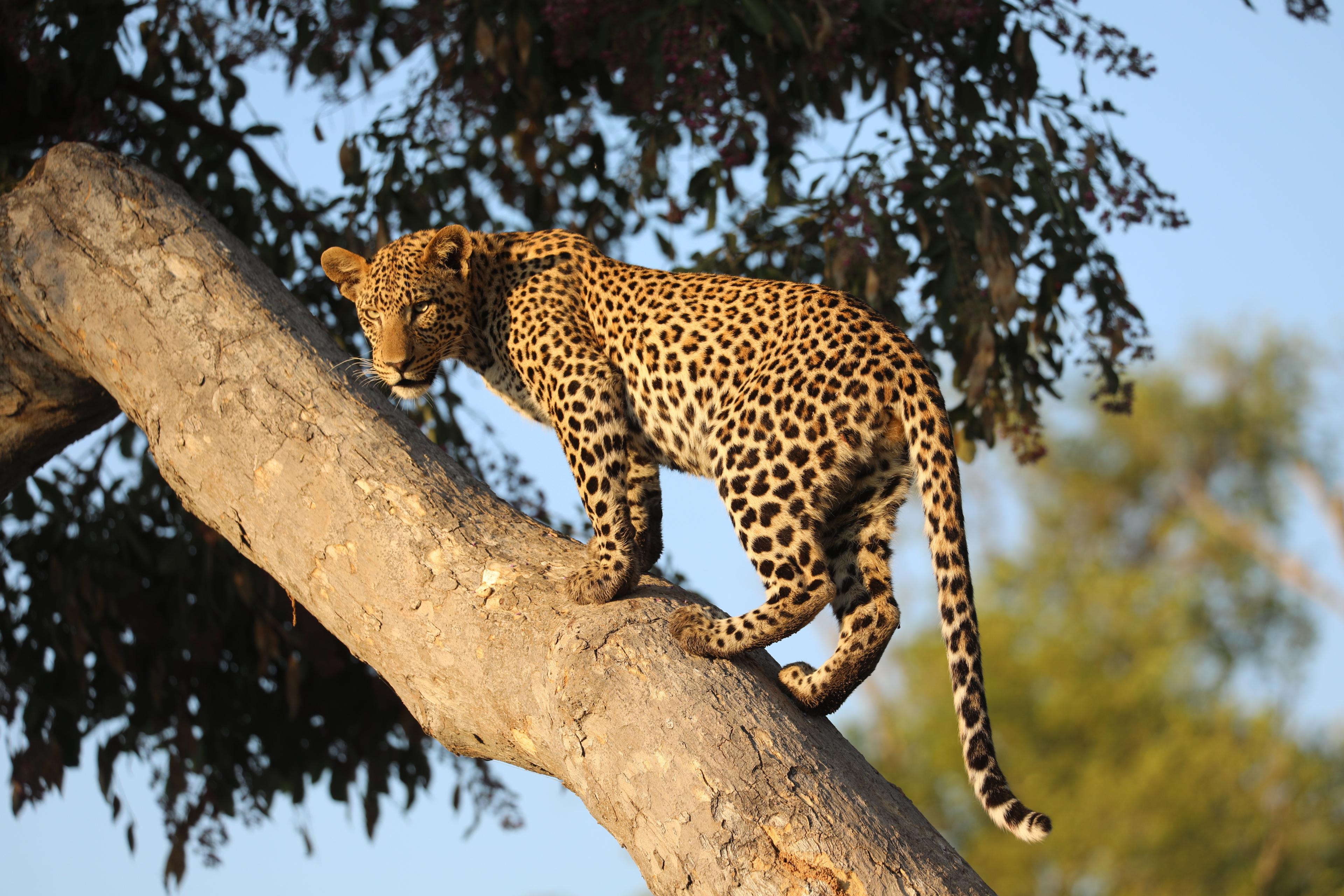
On the Road with Indagare: Postcards from Botswana
Several Indagare team members recently scouted in Botswana’s Okavango Delta and beyond. See highlights and get tips from their safaris below.
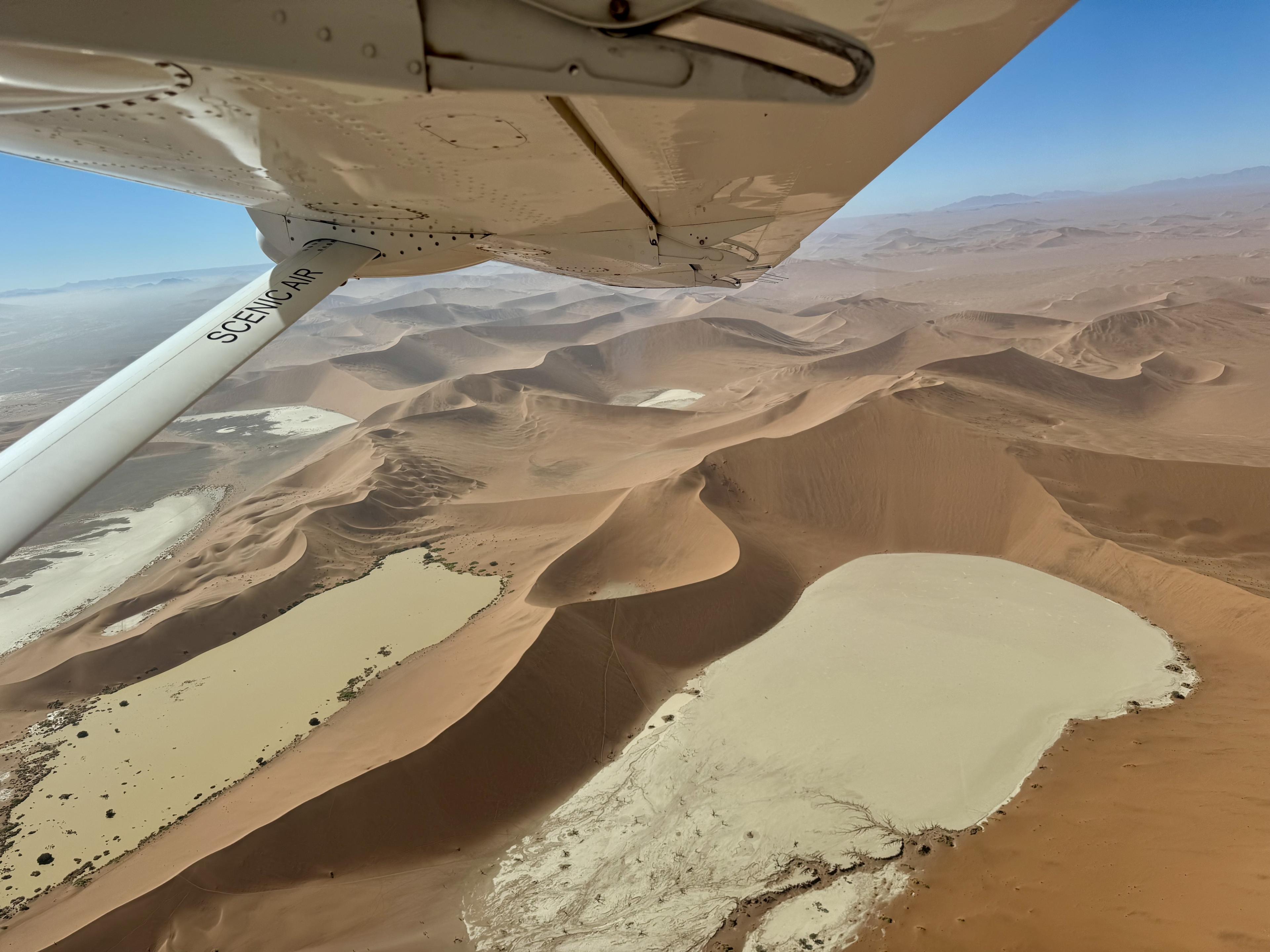
Just Back From: Indagare Journey to Namibia
Indagare's Ali Malecka recently returned from hosting an Indagare Journey in Namibia. With endless deserts, wild coastlines and jaw-dropping sand dunes—this otherworldly landscape left her transformed. Discover the highlights of her experience.
Plan Your Trip With Us
We only feature hotels that we can vouch for first-hand. At many of them, Indagare members receive special amenities.
Get in touch