Deep in Egypt's Western Desert, Siwa Oasis rewards intrepid travelers with ancient history, surreal salt lakes and one of the world's most extraordinary hotel stays. Indagare's Kathryn Nathanson reports back.
There is nothing I love more in my travels than discovering places that transport you back in time. For years, one place in particular had captured my imagination: Adrére Amellal, the legendary eco-lodge hidden deep within Egypt's Siwa Oasis.
Adrére Amellal first caught my attention when I joined Indagare in 2018, but I became even more intrigued in 2020, when its founder, Dr. Mounir Neamatalla, joined Melissa Biggs Bradley on our Global Conversations podcast. A pioneering environmentalist, Dr. Mounir has spent decades championing a model of sustainable hospitality development rooted in preserving Siwa's natural environment, traditional architecture, craftsmanship and cultural heritage. After hearing more about his approach to Siwa and the story behind Adrère Amellal, I knew it was a place I wanted to experience one day. (You can listen to the full episode here.) This fall, I finally managed to make the trek.
About 30 miles from the Libyan border, Siwa feels worlds away from the rest of Egypt—and the rest of the world, for that matter. The oasis has its own language—Siwi, an Amazigh (Berber) language, though Arabic is also widely spoken—as well as its own traditions and a history that stretches back thousands of years. Most famously, Alexander the Great made a pilgrimage across the desert to Siwa in 331 B.C. to consult the Oracle of Amun, where he received confirmation from the gods of his divine right to rule Egypt. Ancient tombs, temples and the remains of old settlements are still scattered throughout the oasis today.
Part of what makes Siwa so special is that you have to really want to come here. Its remoteness immediately rules out many travelers, and that isolation has helped preserve a way of life that remains remarkably distinct. Tourism infrastructure is still very limited, and cars have only become more common over the past few years; donkey carts still share the roads with tuk-tuks, and date farming remains central to life in the oasis. At the same time, salt mining has become an increasingly visible industry, and the steady stream of trucks and mining vehicles traveling in and out of the oasis is one of several signs that Siwa is slowly changing.
And then there is Siwa's remarkable landscape: thousands of date palms rising out of the desert, surrounded by mountains, natural springs and vast salt lakes, with the Sahara stretching in every direction. Most surreal are the salt pools—impossibly blue pockets of water that look as though they belong in the Maldives or Caribbean rather than in the middle of the desert.
The Long Road to Siwa
There are no scheduled commercial flights to Siwa, but private charter flights can be arranged by the Indagare team, landing at Siwa Oasis North Airport, which is about an hour's drive from Siwa. Given the cost of chartering, however, most travelers make the journey overland from Cairo, a full-day drive that becomes part of the experience.
If you opt for the drive, the route heads northwest toward Egypt's Mediterranean coast before continuing west and eventually turning south into the desert. There aren't many worthwhile stops along the way, so I'd generally recommend making the journey as efficiently as possible. If you do want to break up the drive, El-Alamein was the site of two pivotal World War II battles between Allied and Axis forces and is now home to a war museum and several memorials. Farther west, the small Mediterranean coastal city of Marsa Matruh is the most natural place to stop for lunch.
The roads are paved and smooth for most of the journey. On the final stretch toward Siwa, all you see is the Sahara, a flat expanse of sand and rock. Cell service becomes increasingly sporadic, and by the time you finally see the green of the oasis appear on the horizon, it looks almost like a mirage.
The Reason to Go: Adrére Amellal
Adrére Amellal is reason enough to make the journey.
Built almost entirely from local materials and designed to exist in harmony with its desert surroundings, the property has no electricity. By day, sunlight pours through open windows and illuminates rooms built from clay, straw, salt and palm. As the sun goes down, hundreds of candles are lit throughout the property, completely transforming it after dark. Watching the hotel slowly come to life by candlelight became one of my favorite parts of staying here. By night, the light from the stars and moon reflects off the salt lake directly in front of the hotel, casting a soft glow over the property. It is difficult to describe just how beautiful it is.
Dining at Adrére Amellal is also an experience unto itself, with no two meals quite alike. Lunch and dinner are each three courses, and both the menu and setting change every time. You might eat in a hidden courtyard, beneath the palms or under the stars, sometimes climbing onto a donkey to get there. Even the plates and table settings change from meal to meal, with beautiful silverware and a wonderfully formal style of service. Waiters move quietly between courses, always serving from the left and always serving the women first. Each meal takes on the feeling of a ritual. After dinner, candlelit bars and small sitting areas tucked throughout the property invite you to linger over a drink.
Days can be as active or as relaxed as you want them to be. There is plenty to explore throughout the oasis, but at Adrére Amellal, the point is really to slow down and take in the silence. In warmer weather, you can spend hours beside the property's spectacular natural spring-fed pool, surrounded by palms and the desert landscape, or hike directly from the hotel up the mountain behind it. In winter, I can imagine curling up beside one of the many fireplaces with a book. Within a day or two, you find yourself adjusting to the rhythms of the place—waking with the sunlight, slowing down after dark and becoming surprisingly comfortable with how little you actually need. Note: while there is no electricity on property, there is a generator near the kitchen where you can charge your phone, camera or other essential devices overnight.
Dr. Mounir has a home just beyond the main hotel, on a neighboring part of the property. Near his home are a handful of additional guest rooms and two permanent photography exhibitions: one dedicated to Lee Miller, the American photographer and war correspondent known for her Surrealist work and images of World War II, and another to Peter Beard, the American photographer and artist famous for his work documenting Africa and its wildlife.
One of my favorite evenings began when I was picked up from the hotel by donkey, without really knowing where I was going. We made our way through the darkness to the photography exhibitions, which at night are illuminated by thousands of candles. Walking through the photographs by candlelight was one of the most memorable experiences of my stay. From there, I continued to Dr. Mounir's home for dinner with him and a group of his friends.
We ate outside beneath the moonlight, surrounded by Egyptologists, archaeologists, historians and researchers who have spent years studying Siwa and its history and culture. Their love for the oasis was infectious, and over the course of the evening, they shared stories and insights that gave me a much deeper understanding of the place than I ever could have gained from touring the historic sites alone. At one point, one of Dr. Mounir's friends explained that Siwa seems to impact everyone differently: some people find its energy so powerful that they can barely sleep, while others have the most peaceful sleep of their lives. You don't really know how the oasis will affect you until you arrive.
I had been trying throughout my stay to think of anywhere else I had traveled that felt remotely similar. The closest comparisons I could come up with were AlUla in Saudi Arabia, for the ancient mud-brick architecture and desert landscape, and Sedona, Arizona for that harder-to-define sense of energy that seems to surround the place.
You also have to be ready for the unexpected in Siwa. For example, rain is extremely rare, but one evening, while we were on a desert safari in the middle of the Sahara, lightning began flashing across the sky, and an intense sandstorm and rainstorm rolled in. With our Jeep's tires deflated for driving on the dunes, we slowly made our way back through the storm. By the time we reached Adrére Amellal, it was dark, and the rain had extinguished the thousands of candles that normally illuminate the property. Inside our room, we watched as a hotel built entirely from natural materials seemed to be melting before our eyes: parts of the ceiling began to give way, our bed was soaked and sand found its way into every crevice of our suitcases and toiletry bags.
It was chaotic and completely unpredictable, but also part of the adventure. Rain is so rare, and so needed, in the oasis that the local staff were in very good spirits, assuring us that what looked like significant damage would be quickly repaired. It was an extreme and unusual circumstance, but also a reminder that when visiting Siwa, you have to arrive willing to let go a little and see what happens.
Adrére Amellal is not about traditional luxury. Its luxury lies in atmosphere, access and an otherworldly sense of place.
Beyond the Hotel: Exploring the Oasis
As tempting as it is to stay at Adrére Amellal, Siwa deserves exploration as well. One of my favorite experiences was swimming in the oasis's brilliant turquoise salt pools, which are so high in saline that you float just as you do in the Dead Sea. The pools themselves are mesmerizing, but it is worth noting again that salt mining has become a major industry in the oasis, and the landscape immediately surrounding them can feel quite industrial. There is also virtually no tourism infrastructure around the pools, so don't expect anything resembling the developed experience of visiting the Dead Sea in Jordan or Israel. You come simply to swim in these extraordinary pockets of blue water—a miracle in the middle of the desert.
In Siwa town, I loved wandering through the market and exploring Shali Fortress, the centuries-old mud-and-salt citadel that rises above the center of town. History is everywhere: You can visit the Temple of the Oracle where Alexander the Great made his famous pilgrimage, as well as the Mountain of the Dead, which is honeycombed with ancient tombs carved into the rock. I also loved the small Museum of Siwa, where the gentleman who runs it walked us through a collection of traditional clothing, jewelry and objects that offered a more intimate look at Siwan life and customs.
A Jeep safari into the Great Sand Sea was another highlight. We drove over enormous dunes, stopped to look for ancient fossils in the Sahara and tried sandboarding before stopping for tea prepared over a fire dug into the sand. It's one of the best ways to appreciate just how vast and remote Siwa really is.
Who Siwa Is For
Siwa is not a trip I would recommend to everyone, and that is a major part of its appeal. This is a destination for intrepid travelers who are willing to trade some of the comforts of a more traditional luxury trip for something far more unique. For all of the reasons above, you need to be comfortable with a more immersive, adventurous style of travel. At Adrére Amellal, even English is relatively limited—aside from the wonderful manager, Mohamed—adding to the sense of immersion.
If traveling overland, I would recommend staying for at least four nights. After investing a full day to get here, you want enough time to explore the oasis without feeling rushed, but also to slow down and really take in Adrére Amellal. It is one of the most extraordinary places I have ever stayed, and one of very few hotels that has made me feel so completely transported.
There is also a good reason to visit Siwa now. Kazazian Siwa, a large-scale desert resort currently in development, is expected to bring a more amenity-rich style of hospitality to the oasis, with a focus on wellness and adventure. It will likely make Siwa accessible to a broader range of travelers. For those intrigued by Siwa and willing to make the journey, I would recommend going sooner rather than later. It remains one of those rare bucket-list places that feels genuinely unlike anywhere else, and I suspect it won't feel quite this untouched forever.
Start Planning a Trip to Siwa and Explore the Indagare Guide to Egypt
Take me therePublished onNovember 17, 2026
More Inspiration
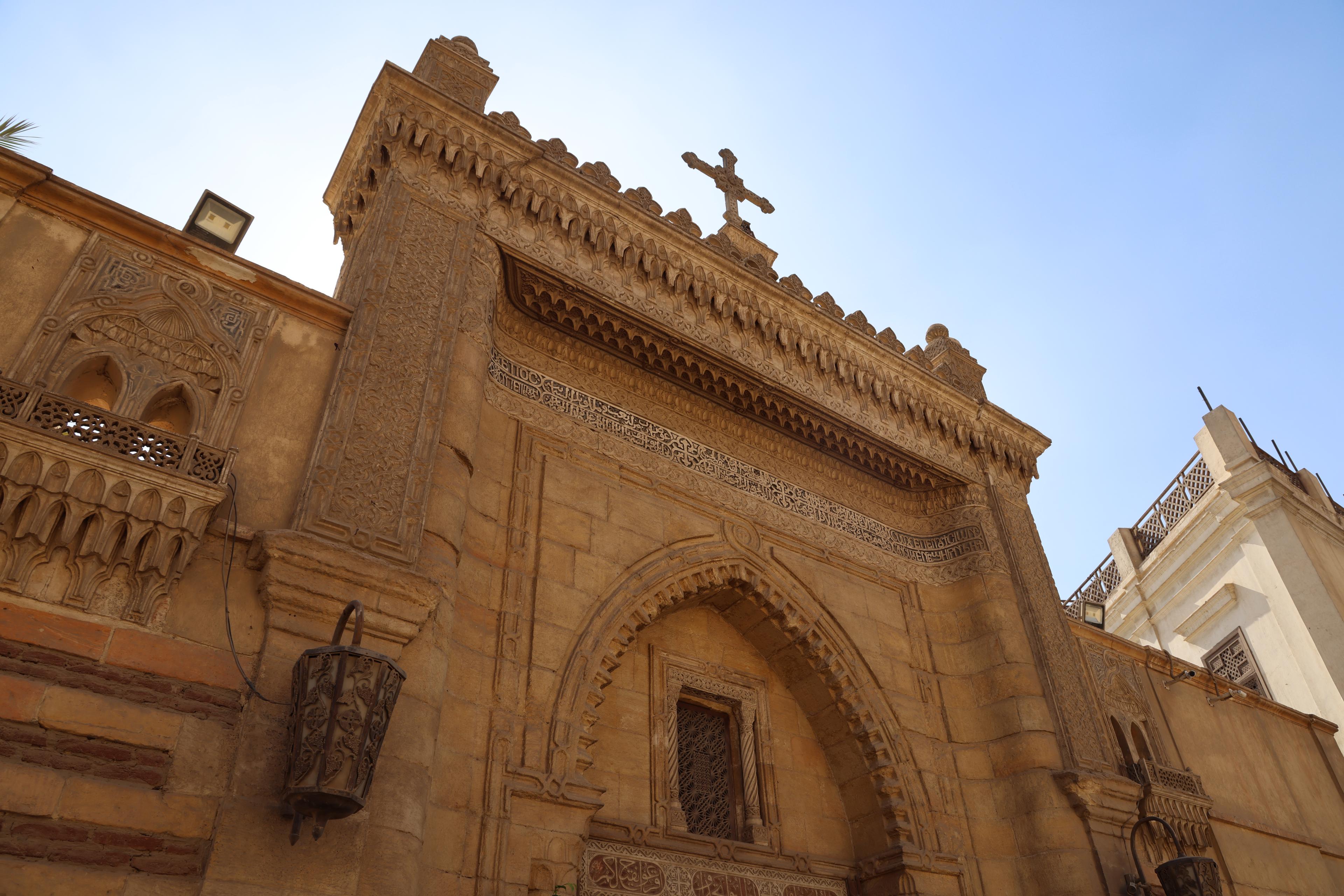
Indagare’s Cairo Cheat Sheet
From the essential ancient sites to the restaurants, shops and museums worth building into your itinerary, these are Indagare’s Cairo highlights.
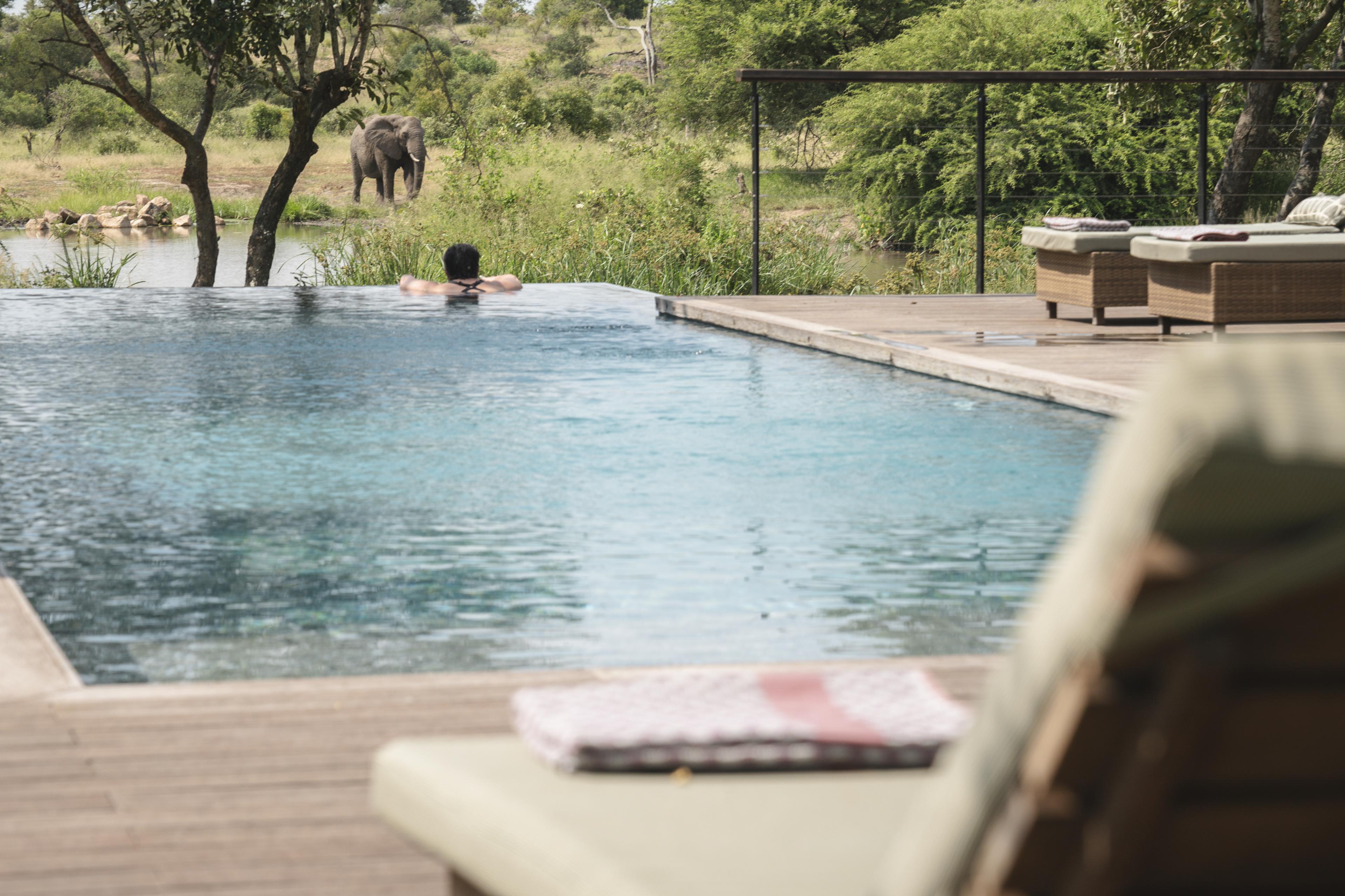
10 Destinations Delivering More for Your Dollar: The Savvy Traveler’s Guide
Iconic destinations like Capri, St. Barths and Gstaad are popular for a reason—incredible landscapes, bucket-list hotels, jet-set clientele—but they can also be overcrowded and expensive. These 10 travel-savvy locales are just as good as (if not better than) their sought-after counterparts but offer greater value for your spend.
Plan Your Trip With Us
We only feature hotels that we can vouch for first-hand. At many of them, Indagare members receive special amenities.
Get in touch