From a reborn Left Bank icon to Cézanne at the Grand Palais, find out what's new and notable across hotels, dining, fashion and culture in Paris this season.
Take it from the masters: Monet painted his water lilies again and again and Cézanne never tired of Mont Sainte-Victoire, yet neither ever quite painted the same picture twice. There's a lesson there for Paris this fall: reinvention doesn't always mean starting over, just seeing things differently. Chef Anne-Sophie Pic is blurring the lines between food and art, a new generation of hotels is having fun with the city's past, and even the American coffee-shop craze has acquired a Parisian accent. The familiar suddenly feels fresh again.
Top Tables and Bars
The world's most Michelin-starred female chef, Anne-Sophie Pic, is shaking up the Paris dining scene with two ambitious new addresses inside the Fondation Cartier. Anne-Sophie Pic Paris brings art directly to the table: at dinner, guests eat her signature berlingots hard candies while listening to a poem through bone-conduction headphones. Next door, Utopic, her first cocktail bar, explores "liquid gastronomy" with 22 creations—including Le Versant, an unlikely but intriguing mix of Banon cheese, lemon and green Chartreuse—alongside French finger food such as Comté-filled pommes dauphines and a truffled-ham croque-monsieur.
One of the most anticipated restaurant openings of the fall is actually a comeback. After two decades away, Doobie's—the cult restaurant-bar-club created by tennis champion and singer Yannick Noah in 1993—has returned to rue Marbeuf in the 8th arrondissement. The address has a longer history: It opened as a Russian restaurant in 1938 before becoming La Caravelle, a discreet dancing spot, in the 1970s. Its heyday came in the 1990s and early 2000s, when artists, celebrities and Parisian night owls made it a fixture of the scene around the Champs-Élysées, with evenings that moved from dinner to drinks and dancing. Now revived by Must Group, the venue has been reimagined by architect Arnaud Behzadi as a collector's apartment, with lacquered mahogany, garnet velvet and touches of gold, it moves from grand salon and winter garden to boudoir and bar, where the soundtrack ranges from '90s R&B to Chicago house. On the menu: wagyu sandos, lobster linguine and tuna Milanese.
Following in the footsteps of reborn Paris institutions like Maxim's and Café Lapérouse, two other watering holes with storied pasts are having a renaissance this fall. On the Left Bank, the legendary Alcazar has returned to its cabaret roots, with red velvet, gold and marble setting the scene for dinner, live music and, later in the week, singing, dancing and aerial performances beneath the glass roof. Across town, Dalloyau—founded in 1682—has reopened its historic Faubourg-Saint-Honoré flagship, bringing back house classic pastries including its Opéra, Saint-Honoré and millefeuille in handsome new surroundings.
Ever wanted to buy a bouquet of roses and stop for tea at the same time? On the Quai de la Mégisserie, Mégie combines a flower and design shop with a café-cantine beneath a canopy of greenery. An offshoot of neighboring Quinquaud Le Jardin, it's filled with plants, artisanal tableware and a huge central tree. Stop for an herbal tea and a sweet or savory bite.
Talk about coming full circle: when Cyril Lignac first arrived in Paris, he sent his CV to Lucas Carton—and never heard back. Now he's taken over the kitchen at the historic Place de la Madeleine restaurant, with a new take on French classics.
Now you don't have to fly to Nice for a taste of La Petite Maison. The Riviera institution is bringing some sunshine to Paris's gray skies this fall, opening on Rue du Boccador in the 8th arrondissement, near the Champs-Élysées. Look for Niçois favorites including petits farcis, courgette-flower fritters and cod with garlicky aïoli.
Art Exhibitions
Monet mania has hit Paris. A century after his death, the Impressionist master is everywhere this fall. At the Musée de l’Orangerie, "Monet. Peindre le temps" brings together some 40 works exploring his lifelong fascination with light, atmosphere and the passage of time (September 30, 2026–January 25, 2027). Across town, the Musée Marmottan Monet looks at the evolution of landscape painting in "Histoires de paysages: De Monet à Hockney," bringing Monet into dialogue with contemporary artists (September 24, 2026–January 31, 2027).
Cézanne gets a different kind of tribute at the Grand Palais. Rather than a retrospective, "Cézanne et nous" pairs 69 of his works with 105 by the generations he influenced—from Picasso and Matisse to Joan Mitchell and Peter Doig—culminating with his beloved Mont Sainte-Victoire and later artists' responses to it (through January 17, 2027).
Who knew? Gustave Fayet was an artist, designer and extraordinary collector—and an early champion of Van Gogh and Gauguin. The Fondation Louis Vuitton brings together more than 250 works, including rarely seen paintings by Fayet himself.
Americans are having a moment, too. At the Musée d’Orsay, "Mary Cassatt: L'Indépendante" marks the centenary of the expatriate Impressionist's death (October 6–January 31, 2027). The Musée du Luxembourg reveals a lesser-known side of Andy Warhol through his drawings, photographs and works on paper (September 16–January 10, 2027). And at Versailles, Sofia Coppola revisits the making of her cult film Marie Antoinette 20 years later, with costumes, photographs and behind-the-scenes material at the Petit Trianon.
Hotel Newcomers
Just off the Arc de Triomphe, L'Aventure Hotel is the latest cool address from Gilbert and Thierry Costes: a discreet 15-room hotel designed by Vincent Darré with a light, whimsical approach—white walls trimmed in burgundy, oversized mirrors, patterned rugs and sculptural lighting. The hotel sits above a Martin Brudnizki-designed restaurant and private club that's quickly become an A-lister haunt, done all in jewel tones, rich velvets and theatrical flourishes. (Readers will recognize Brudnizki's hand in other Paris hot spots like Boubale, Hôtel Le Grand Mazarin and La Fantaisie.)
For those who want the Eiffel Tower practically on their doorstep, the newly revamped 53-room Hôtel La Bourdonnais sits just off the Champ de Mars, with six rooms offering front-row views. This corner of the 7th mixes major monuments with residential streets, making it a good fit for a sightseeing-focused stay. Oscar Lucien Ono reimagines the interiors in terracotta, deep blues and straw tones. Have a flute of Champagne at the new Minuit Express cocktail bar that channels the golden age of train travel.
The new 27-room Hôtel LULU is an appealing prospect for travelers drawn to the Left Bank's café culture and a smaller, more informal hotel. On boulevard du Montparnasse, near the southern end of the Luxembourg Gardens, it places guests in the Montparnasse of literary cafés and artists' meeting places, with Saint-Germain farther north. Its warm modernist interiors combine raw concrete and brushed steel with chocolate browns and caramel tones, vintage furniture, thick carpets, Le Corbusier and Charlotte Perriand lighting and colorful mosaic bathrooms. A neighborhood coffee shop, winter garden and piano bar give the smallest hotel in this group places to linger beyond the bedroom—well suited to a couple or solo traveler who likes to start the morning with coffee and a book before exploring on foot.
In Pigalle, the former red-light district that has become irrevocably hip, the legendary Bus Palladium has been reborn as a 35-room five-star hotel. Studio KO plays up its rock-and-roll past with a glamorous mix of Brutalism and '70s references; the original club lives, with a restaurant, bar and rooftop making this one of Paris' livelier new stays for nightlife in the 9th, suiting guests focused on evenings out and exploring northern Paris.
Near the Madeleine, the new 41-room Maison Honnel draws on the neighborhood's couture past and offers a more understated option for travelers planning days around shopping, galleries and the grand landmarks of the Right Bank. Named for Carlo Honnel, an Italian tailor who set up his atelier here in 1905, it picks up the thread with subtle fashion references and rooms that feel more like a home, in warm rusts and creams.
And then, there's Le Magnifique: Vincent Darré's fantasy of a different Paris, set on Montparnasse's rue de la Gaîté in a former 19th-century theater. This revamped 62-room hotel takes the building's past and runs with it: hand-painted columns and a circus fresco set the scene, while a glass elevator filled with mermaids and seahorses leads to five wildly imaginative floors. Each room is a Darré original, down to the furniture, lighting, fabrics and ceramics; downstairs, there's a mythological mosaic-lined pool. At the Picabia bar, a bell rings to mark the intervals at neighboring theaters. Outside, rue de la Gaîté remains a working street lined with cafés and performance venues—a lively setting for travelers interested in this side of the Left Bank. The proximity to Gare Montparnasse also makes it useful for combining Paris with a rail journey onward.
Opening at the end of October at the foot of Montmartre, Luxia is the latest hotel from the boutique, design-forward hotel group Touriste, with just 44 rooms, a garden and pool. Pale woods, glossy lacquer and checkerboard cork give the rooms their distinctive look. Check out the small mosaic-lined pool and spa, designed in the spirit of Paris's old municipal baths. Luxia should appeal to travelers who favor contemporary design and want to spend time exploring the hill's streets near the Marché Saint-Pierre fabric shops, below Sacré-Cœur.
On the Horizon
Also on the horizon: Don't look now but Pharrell Williams is turning the former Saint-James & Albany, opposite the Tuileries, into a new five-star hotel. Plans call for around 100 rooms and suites, four private residences, restaurants, bars, a spa and pool, with Williams overseeing the creative direction. No name—or opening date—has yet been announced.
From Renault assembly lines to contemporary art: Île Seguin is being totally reinvented. The former factory site, on an island in the Seine at Boulogne-Billancourt just southwest of Paris, is adding Le Large, a new cultural hub designed by Pritzker Prize-winning RCR Arquitectes. More than a museum, it will mix exhibitions and performances with artists' workshops, a panoramic café and green terraces overlooking the Seine. Paris's cultural map keeps getting bigger.
Explore the Indagare Guide to Paris
Wishlist & planPublished onOctober 12, 2026
More Inspiration
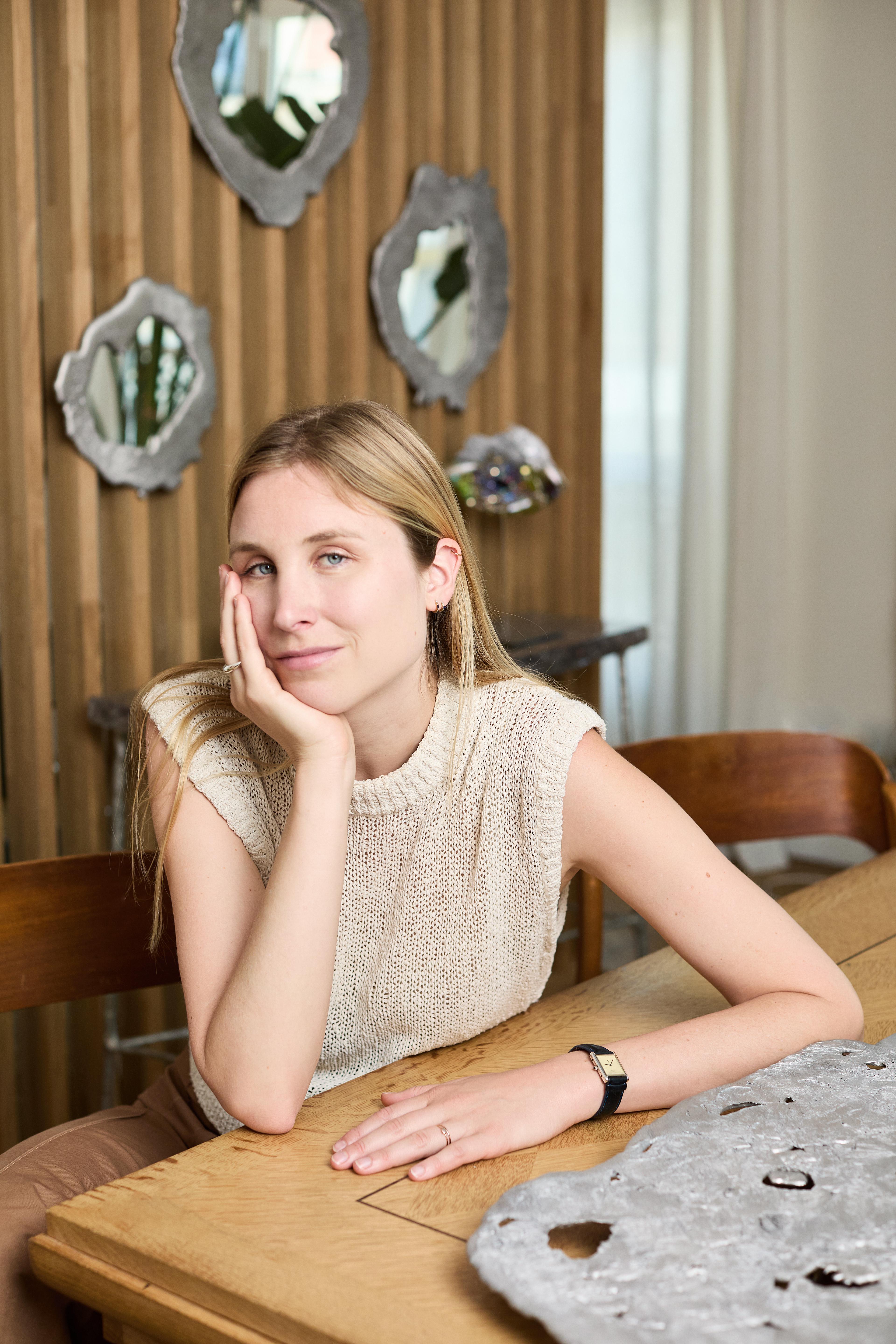
A Design Lover's Paris: Design Miami Paris Insider Guide
Design Miami's Paris edition returns October 20 to 25, bringing leading galleries, designers and collectors from around the world to the historic L'Hôtel de Maisons. In advance of the exhibition, we sat down with some of the fair's top design insiders for their take on the highlights to see and the intel to know.
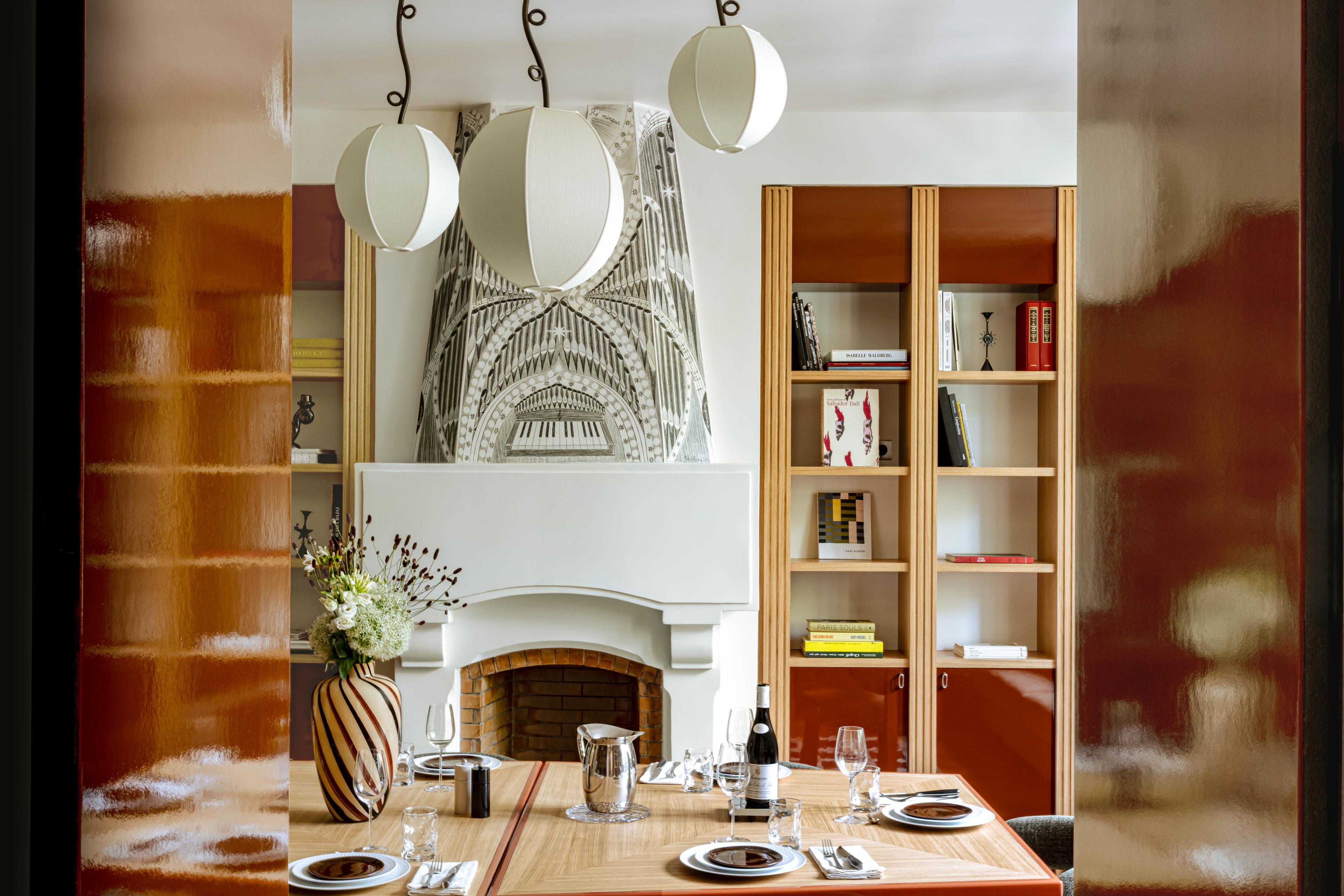
Introducing Villa Junot: A Private Parisian Getaway in Montmartre
Indagare founder Melissa Biggs Bradley reports on her latest Paris discovery: a stylish private villa in Montmartre, ideal for birthday celebrations and more.
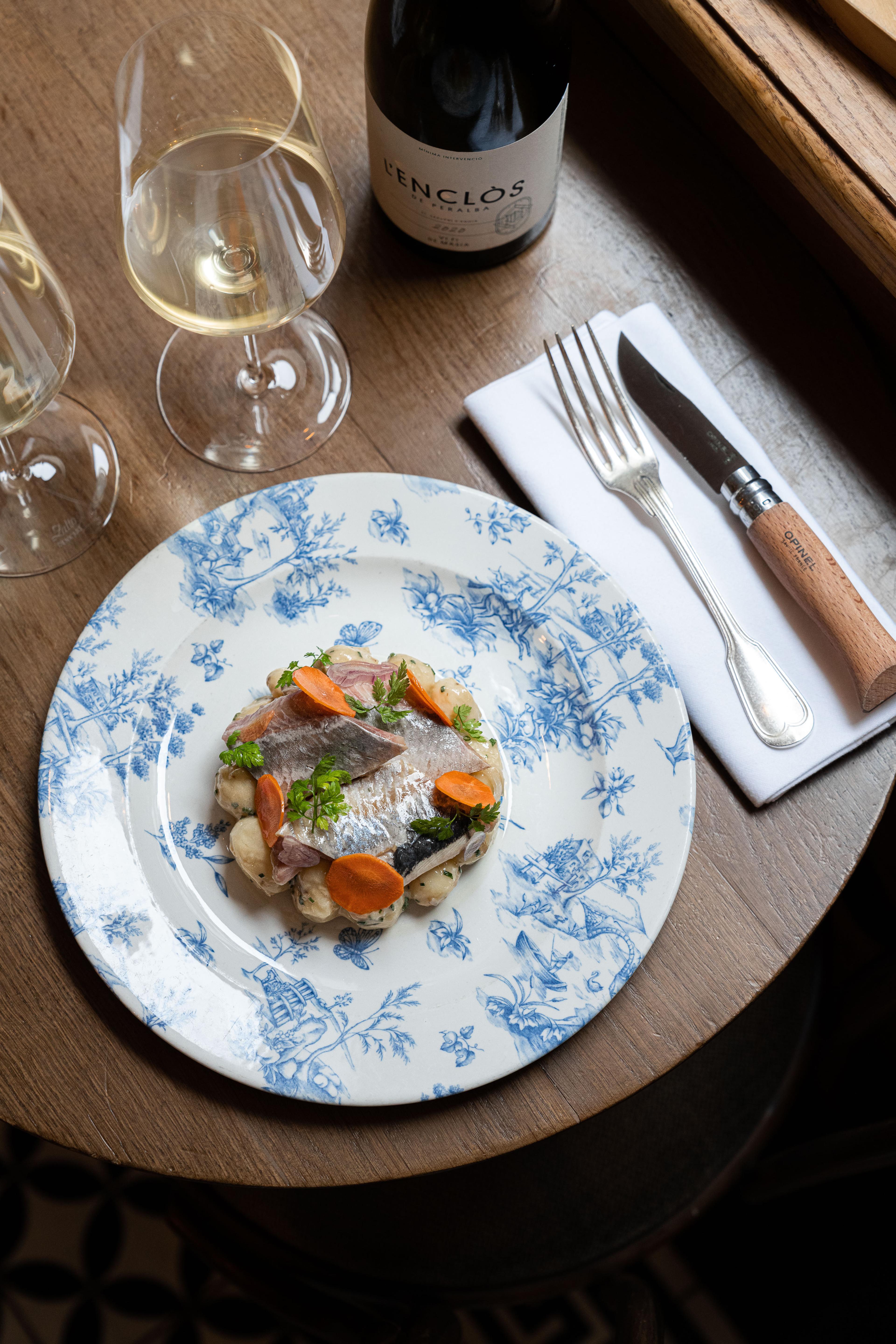
The Best Bistros in Paris: 13 Classic & Modern Favorites
There are few dining experiences more quintessentially Parisian than lingering over a meal at a neighborhood bistro. Whether you’re planning your first trip to Paris or returning for your 10th visit, our Paris Bistro Matchmaker is organized by arrondissement and breaks down the differences to help you find the perfect address for every occasion.
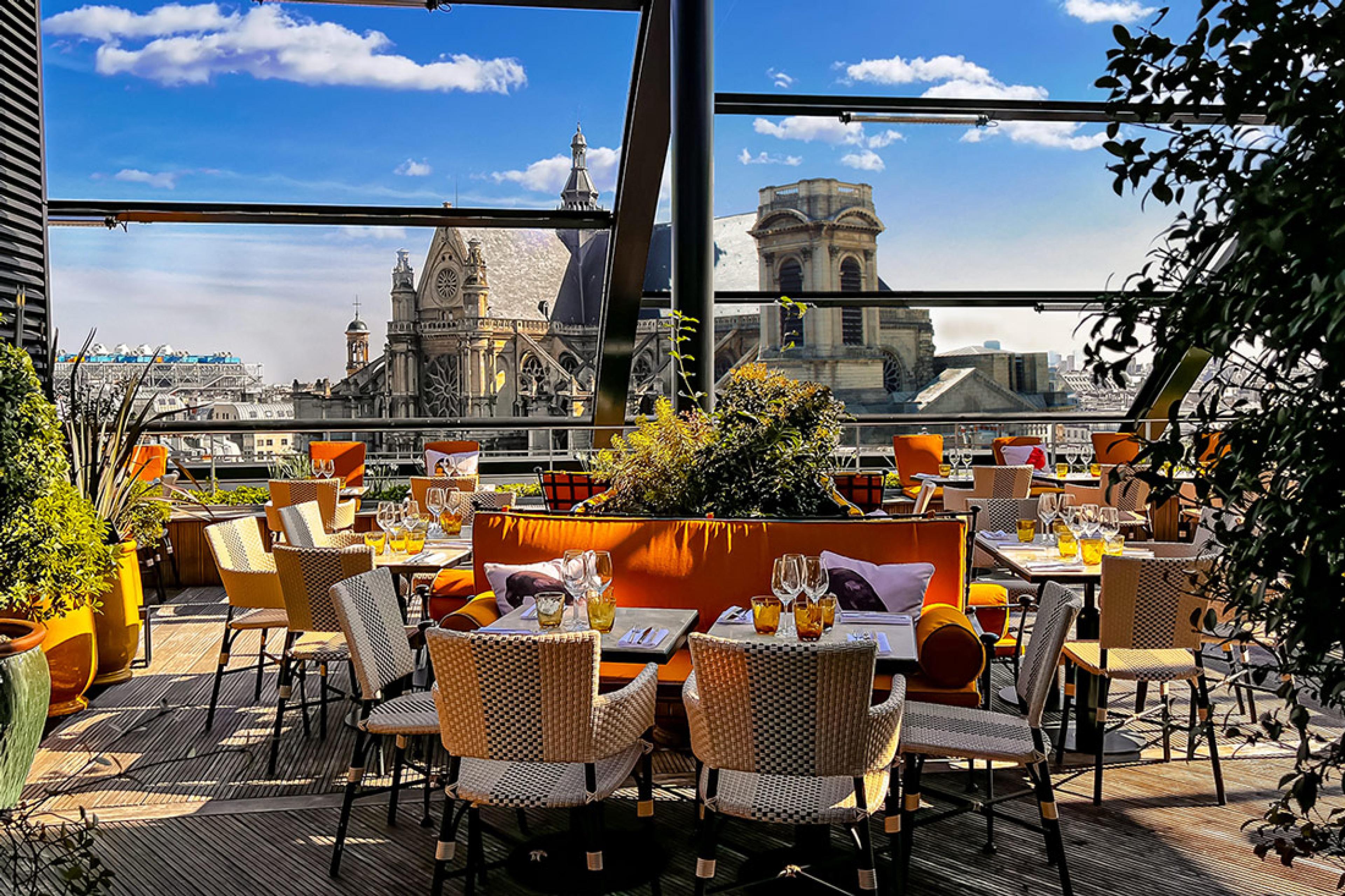
Plan Your Trip With Us
We only feature hotels that we can vouch for first-hand. At many of them, Indagare members receive special amenities.
Get in touch