Milan is a city of contrasts, and that is precisely what makes it so fascinating. It is elegant but understated, pragmatic yet deeply imaginative, international while remaining profoundly attached to its own traditions.”
From African safari lodges to Rajasthan's palace hotels, photographer Guido Taroni has brought a distinctive eye for interiors, craftsmanship and color to both of Indagare founder Melissa Biggs Bradley's books. Following Safari Style, their latest collaboration, Rajasthan Style: India's Magical Palaces, Forts and Camps, was released this fall, celebrating the region's architecture and enduring artistic traditions.
But Milan is Taroni's home base—and the roots of his creative education run deep. The son of an art dealer and an art historian, Taroni honed his craft alongside his uncle, fashion photographer Giovanni Gastel; his great-uncle was filmmaker Luchino Visconti, director of the lavish Sicilian drama The Leopard. Here, the Milan native turns his lens on his own city, sharing favorite addresses, cultural discoveries and the places he returns to for inspiration.
How would you describe the personality of Milan, and what makes you proud to be Milanese?
I would describe Milan as a city of contrasts, and that is precisely what makes it so fascinating. It is elegant but understated, pragmatic yet deeply imaginative, international while remaining profoundly attached to its own traditions.
Unlike other Italian cities, Milan doesn't always reveal its beauty immediately. You have to look a little closer, walk through its courtyards, discover its hidden gardens and notice the details of its architecture and interiors. There is a certain discretion to the city, a sense of quiet sophistication that I find very appealing.
What makes me proud to be Milanese is this extraordinary ability to look forward without losing sight of the past. Milan has always been a place where art, design, fashion, craftsmanship and entrepreneurship meet. It has a restless creative energy, but also a strong sense of identity.
How has your family's creative legacy influenced your work as a photographer?
I grew up surrounded by beauty, objects, images and stories. My family's relationship with art, aesthetics and creativity has undoubtedly shaped the way I see the world.
Photography became my way of interpreting that world. I have always been interested not only in the beauty of an object or a space, but also in the story behind it: the people who created it, the period in which it was conceived, the atmosphere it evokes.
My work is very much about emotion and memory. I am drawn to places and objects that have a soul, that carry traces of another time. Perhaps this is what I inherited from my family: the belief that beauty is never just superficial. It is something that deserves to be understood, preserved and passed on.
Where in Milan do you go in the city to still find that sense of inspiration, beauty, atmosphere and theatricality?
I find inspiration in the less obvious corners of Milan. I love wandering through Brera, particularly early in the morning or at night when the streets are still quiet and the city seems to belong to another era—especially on my bike.
I am also fascinated by the historic palazzi, their courtyards, staircases and unexpected interiors. Milan has an extraordinary theatrical dimension behind its façades. Sometimes you only need to open a door to discover an entirely different world.
I particularly love the contrast between the monumental elegance of the historic center and the more experimental atmosphere of areas like Tortona and around Fondazione Prada. For me, the city is at its most inspiring when these different worlds coexist.
You have photographed extraordinary interiors for numerous design books. What makes a home distinctly Milanese?
I think a distinctly Milanese home is a reflection of its owner's personality rather than a particular style.
There is often a wonderful dialogue between different periods: antique furniture alongside contemporary design, important works of art next to everyday objects, precious materials combined with something unexpectedly simple.
Milanese interiors tend to have a certain intellectual elegance. They are rarely about showing off. They are about collecting, living with objects, appreciating craftsmanship and creating an atmosphere over time.
I also love the element of surprise: a contemporary artwork in a traditional room, an unexpected color, a beautiful piece of furniture that completely changes the character of a space. A Milanese home should never feel too perfect or too staged. It should tell a story.
Can you tell us a bit about your new museum project?
Together with Jeffrey and Rusty Sanfilippo, I have recently founded an entirely new museum in Milan called Perfume Passage Foundation Milano, dedicated to the history of Italian perfumery. The foundation acquired a big collection and has continued to expand through new acquisitions. Today, the collection comprises more than 2,500 objects, including extraordinary perfume bottles, powder boxes, historical advertising materials, archival documents and other objects related to the world of beauty and Italian craftsmanship.
The museum explores the fascinating relationship between perfumery, art, design, fashion, advertising and Italian cultural history, presenting a unique journey through the creativity and excellence of Italian perfumery. For me, it is much more than a museum. It is a way of rediscovering an important part of Italian cultural history and sharing it with a wider audience.
One of the true highlights of the foundation is its exceptional collection dedicated to GVM (Gi.Vi.Emme), from my great grandfather's name, Giuseppe Visconti di Modromne, the historic Italian perfume and cosmetics house founded through the collaboration between my great-grandparents. My great-grandmother was the owner of Carlo Erba, the renowned Italian pharmaceutical company. Having chemists in the family company gave my great-grandfather the opportunity to develop a new prestigious brand of perfumes, with collaborations with some of the most important names in the worlds of art, design and industry.
The GVM history that I have reconstructed represents a particularly important chapter in the history of Italian perfumery and is one of the jewels of our museum.
Beyond perfume and cosmetics, the foundation also preserves a very personal family heritage, including garments and fashion pieces that belonged to my great-grandmother, as well as personal belongings, historical objects and memorabilia connected to my family. These collections allow us to tell a much broader story, bringing together Italian perfumery, fashion, art, design and family history.
How are you bringing contemporary art and design into conversation with the collection's history?
What interests me most is the dialogue between different periods and artistic languages.
I don't believe that historical interiors should be treated as untouchable environments. On the contrary, I think contemporary art can bring them back to life, creating new perspectives and sometimes even revealing details that we might otherwise overlook.
I love unexpected juxtapositions: a contemporary artwork against an old wall, a modern design piece within a historical setting, or an object that completely changes the atmosphere of a room.
My approach is very close to the way I work as a photographer: I am always looking for composition, light, contrast and emotion. I want the house to feel like a constantly evolving visual narrative rather than a traditional exhibition space.
What feels most exciting about Milan this fall and winter? What new openings should the Indagare community know about now?
What I find particularly exciting about Milan at the moment is the richness of its cultural program. The city continues to attract international attention, but it also has an increasingly interesting relationship with its own artistic heritage.
There are several exhibitions I would recommend this season. Palazzo Reale is presenting Francis Picabia, as well as exhibitions dedicated to Salvador Dalí and the Brueghel family. I am also looking forward to the Sheila Hicks retrospective at PAC Padiglione d'Arte Contemporanea, which opened in November.
Fondazione Prada remains an essential destination for anyone interested in contemporary culture and the relationship between art, architecture and ideas. Its new exhibition "Global Antiquity" opened on November 5 and looks particularly interesting.
I would also recommend visiting the Pinacoteca di Brera in the evening. Its special openings create a completely different atmosphere and offer a wonderful way to experience the museum.
Beyond individual exhibitions, I think the real attraction of Milan is the possibility of discovering something unexpected: a private palazzo, a small gallery, an independent design space or a restaurant hidden behind an unassuming entrance.
Where should visitors go to understand Milan's contemporary creative scene? Which emerging artists, independent galleries or design spaces are you following now?
I would encourage visitors to look beyond the traditional gallery circuit and explore the institutions and spaces that are constantly redefining Milan's cultural landscape.
Fondazione Prada is obviously an important reference, not only for its exhibitions but also for its architecture and its broader cultural vision. Pirelli Hangar Bicocca is another extraordinary place, particularly for large-scale contemporary installations. I would also include La Triennale di Milano, which offers a fascinating perspective on the relationship between design, architecture, art and society.
I find the dialogue between disciplines particularly interesting. Milan has always been a city where these worlds overlap, and I believe that some of its most exciting creative expressions happen precisely at those intersections.
I am especially interested in artists and designers who challenge conventional categories and bring a strong personal vision to their work.
I also love spending time at home, surrounded by books, photographs and objects that I have collected over the years. Winter is a wonderful season for looking through archives, rediscovering forgotten things and finding inspiration for new projects."
What are your favorite rituals in Milan during the colder months?
I love Milan in autumn and winter. There is something particularly atmospheric about the city when the light becomes softer, the streets are wet after the rain and people retreat into its beautiful interiors.
One of my favorite rituals is simply biking through the city at night, when I come home from dinners, stopping occasionally and taking time to observe the buildings—always passing the Duomo, which takes my breath away every time.
I also love spending time at home, surrounded by books, photographs and objects that I have collected over the years. Winter is a wonderful season for looking through archives, rediscovering forgotten things and finding inspiration for new projects.
And, of course, Milan would not be Milan without its restaurants. Long lunches and dinners with friends are among the things I enjoy most about living here.
Are there any new projects you are working on that you are excited about?
There are several projects that are particularly close to my heart at the moment.
I am continuing my work in photography and publishing—by working on three new books—focused on themes that explore interiors, places, architecture and the relationship between people and their surroundings.
On the heritage side of things—of course, continuing to work on Perfume Passage Foundation Milano. I am also restoring some beautiful gowns of my great-grandmother Carla Erba, and I am taking care of our family villa on Lake Como (Villa Visconti in Cernobbio).
What connects all these projects is a desire to preserve stories and make them relevant again. I am interested in the past, but always with an eye toward the future.
Explore the Indagare Guide to Milan
Use MyTrips to save hotels, book with our perks and map out your itinerary for a getaway to Milan, Italy. Upgrade your membership to work with a dedicated trip designer to begin planning your next visit; contact our team to get started.
Published onNovember 18, 2026
More Inspiration
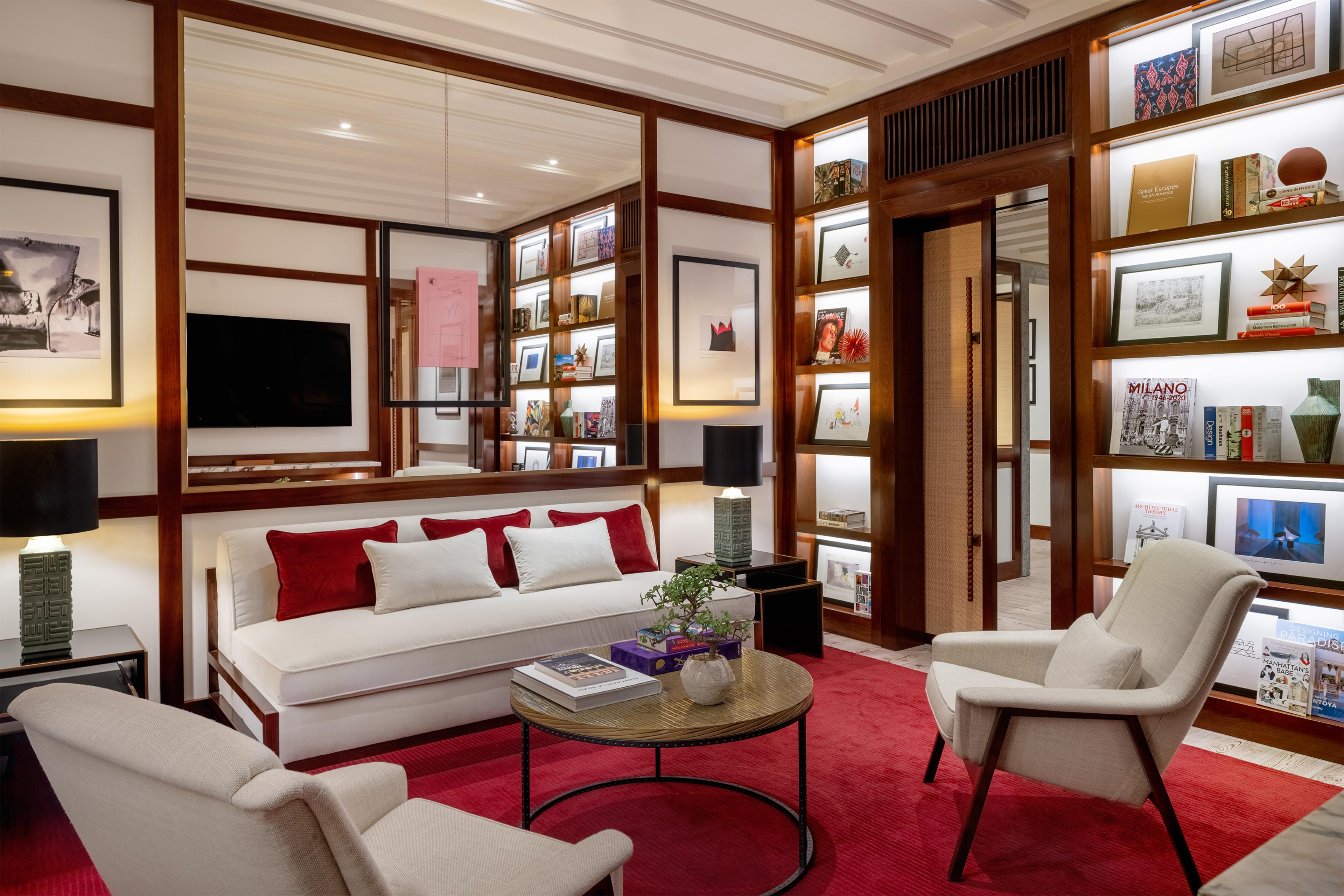
Melissa's Milan Cheat Sheet
Indagare founder Melissa Biggs Bradley shares her "cheat sheet" for the places to stay, dine, shop and explore in Milan.
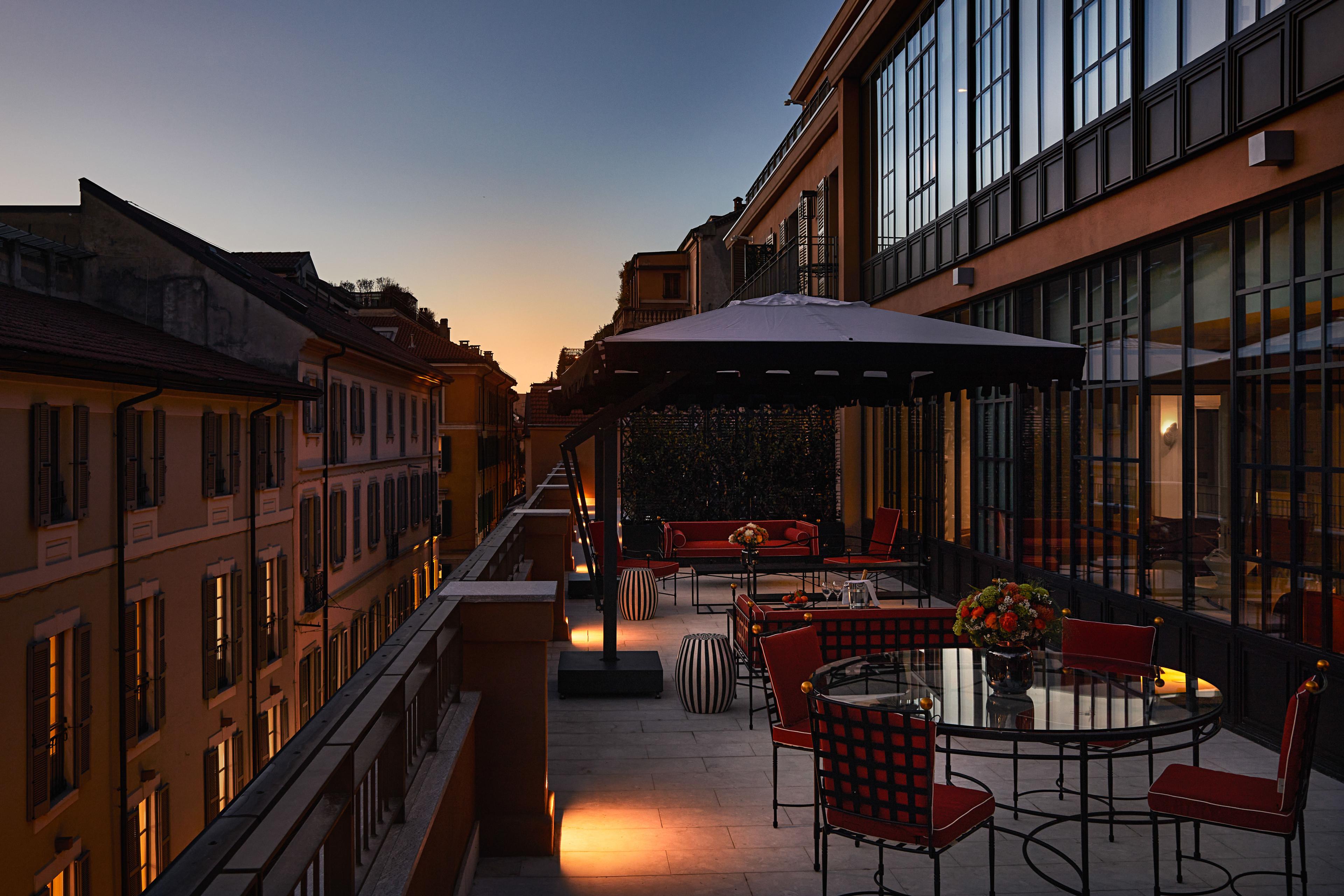
The New Hotel Defining Milan’s Moment
Milan is in a moment of transformation—and senior editor Elizabeth Harvey got a first look at its new boutique hotel darling The Carlton, the latest addition to the Rocco Forte collection, just in time for the kickoff of the winter Olympics on February 6. Get the inside scoop on the property—which is equal parts glamour and familial soul—and why the time to experience the city is now.
Plan Your Trip With Us
We only feature hotels that we can vouch for first-hand. At many of them, Indagare members receive special amenities.
Get in touch