Indagare senior editor Elizabeth Harvey is just back from exploring São Miguel, the largest of the nine-island Portuguese archipelago known as the Azores. Staying at the Octant Hotels Collection, she spent time in the port city of Ponta Delgada and in Furnas, a rural village known for its lush fields of hydrangeas and bubbling geothermal pools. Under three hours by air from Lisbon, the Azores are easy to reach but still retain a feeling of off-the-beaten-path discovery for outdoor adventurers and culturists. Find out what to know before planning a trip below.
Lay of the Land
Lately buzzed-about as an up-and-coming destination, the Azores date back some eight million years, when volcanic islands rose from the ocean floor in the Atlantic, at the triple junction of the North American, Eurasian and African tectonic plates. This geology is what gives the Azores many of the attractions travelers seek today: lagoon-green crater lakes, dramatic seaside cliffs, rugged mountains, sloping vineyards, black-sand beaches and thermal springs. Comprising nine islands, the archipelago sits closer to Newfoundland than to most of Europe, though it can be reached in under three hours by air from Lisbon, Portugal.
The eastern group of islands includes Santa Maria, known for its warmer climate and white-sand beaches, and São Miguel, the largest and most populated island, home to the capital port city, Ponta Delgada, as well as top sites like the Sete Cidades crater lake and the hot springs village of Furnas. The terrain here is lush and green year-round, often seeming to pertain more to a tropical rainforest than to mainland Portugal. Fresh sea air drifts over rolling hills where hydrangeas, camellias, nasturtiums, banana trees and azaleas grow wild, while pineapple greenhouses and herds of cows outnumber people in the countryside.
The central islands are Terceira, Graciosa, São Jorge, Pico and Faial; Pico, the second-largest island, is the youngest geologically and is known for its stark volcanic winemaking terrain and its namesake mountain, which is Portugal’s highest peak. The western group is made up of Flores and Corvo, the smallest and most remote (and undeveloped) of the nine; both are known for their wild natural landscapes framed by cascading waterfalls and migrating birds.
Most first-time visitors (like myself) will concentrate on São Miguel, which is the easiest to reach and hosts the broadest range of experiences on a single island. Smaller islands are more subject to the weather—an important consideration since most activities take place outdoors; while the hiking and boating on offer may be more raw, the probability of itinerary changes is higher. Still, the climate is an ever-present force in the Azores, no matter where you are; as my guide in Furnas, Mauro, explained, “Here we have five seasons in a day: winter, spring, summer, fall—and the fifth one, where we don’t know what’s going to happen.”
Getting There and Getting Around
American travelers can fly nonstop to São Miguel from Boston and from New York-New Jersey’s JFK and Newark airports (five-to-six hours, respectively). The government-owned SATA Azores Airlines is the primary carrier offering the most frequent year-round direct flights; United Airlines also operates direct flights daily from Newark. Multiple daily connections operated by SATA and the national Portuguese airline TAP connect Lisbon with Ponta Delgada in two-and-a-half hours (for approximately $300 USD, at time of publication), while other lower-cost European carriers like Iberia and Eurowings offer connections from hubs like Madrid, London and Brussels.
Inter-island flights are operated by SATA, and flight times range from 25 minutes to approximately two hours. Delays are common due to the small planes used and the unpredictable weather conditions of the archipelago. Ferry transfers are a quick and easy way to move among islands within the same cluster; accessibility varies from high to low season.
On each island, a rental car or private driver is the most practical way to get around. Distances between sites are short; São Miguel, the largest island, is only 290 square miles, and the transfer from Ponta Delgada to Furnas is roughly 45 minutes. Public transportation options are limited, and while traditional taxis can be found at high-traffic areas like airports, main town squares and official taxi ranks, pickups from more remote locations must be scheduled in advance. There is no Uber, but the European ridesharing app Bolt operates on São Miguel.
Many of the most special moments in the Azores come from the unplanned stops that this “roadtripping” allows—a surprise seaside viewpoint, a roadside cheese stand, a coffee at a tiny neighborhood café. Roads are generally winding and often single-lane; you will likely be delayed at some point on your journey by shuffling cows, a tractor at work or a chicken or two crossing the road—but that’s all part of the romance.
Slow Food, Slower Living
The Azores appear in the writings of the earliest explorers and historians, from Homer to Christopher Columbus, and there is evidence to suggest that many seafaring civilizations, including the Iberians and the Vikings, made contact with the islands; however, it is generally believed that humans did not settle there permanently until the arrival of the Portuguese—likely due to the hostile, volcanic environment.
The navigator Diogo de Silves reached Santa Maria and São Miguel in 1427, and in 1439 the Portuguese crown officially claimed the uninhabited archipelago and founded colonies that brought pastoral pursuits to the Azores, among them: dairy and meat farming and tea planting.
Perhaps because the climate of the Azores is so volatile, the culture that has evolved alongside it has remained reliably slow. Agriculture has long led São Miguel’s industry—with still-developing tourism trailing well behind—while the dominant crops have shifted with the times. Wheat and sugar gave way to a thriving orange export trade to England in the 19th century, which was then wiped out by an 1877 blight similar to the phylloxera that devastated European vineyards. Green and black tea followed. (The English tradition is in fact an Azorean import, popularized by the Portuguese queen Catherine of Braganza, who married King Charles II in 1662.) Centuries of Brazilian pineapple and native red pepper cultivation, cheese- and winemaking continue to define the Azores today.
Grown in greenhouses rather than fields, since São Miguel’s climate isn’t tropical, Azorean pineapples are one of the island’s most prized and delicious delicacies. Production is small and labor-intensive, and each pineapple takes two years to mature. Only traditional hothouse methods are used, so the fruit is free of herbicides and pesticides. The finished product should be eaten whole, top to bottom, and is sweetest at the base.
Culinary and agrotourism experiences are an essential element of any Azores itinerary—and nearly all of them can be traced back to the islands’ volcanic foundation. Perhaps the most memorable of these is the cozido, a traditional stew that is the pride of Furnas. Every local family has its own particular (and competitive) method, but the preparation generally requires filling a large, deep pot with a mix of hardy vegetables (carrots, cabbage, potatoes, local yams), as well as sausage and cuts of beef, pork and chicken (this is a true nose-to-tail operation—ears, innards and all). Pour in a cup or so of white wine and olive oil, and a dash of salt and São Miguel red pepper, then cover it all with a layer of thick Azorean kale. The pot is carefully wrapped in cloth and transported to the Furnas caldeiras, a geothermal field where pits have been dug expressly for the purpose of slow-cooking cozido in the steaming, sulfuric ground. Seven hours later, the resulting dish is astoundingly tender and packed with flavor—a marvel of simplicity and a testament to the power of the caldeiras. The cozido must be savored and shared, family-style, with loved ones and neighbors—but it’s the sort of dish you will absolutely eat more of than you should.
Where the cozido wows with theatricality and novelty, the island’s other major food tradition—the barbecue—enchants with its humility. Forbidden on the Portuguese mainland for fire risk, the open-flame grill is the bedrock of Azorean leisure and community, and public picnic spaces abound for this favorite weekend activity (fire risk is generally managed by seaside humidity). For a more intimate experience, I recommend a private dinner at Quinta Da Jardinete, a 12-acre, family-owned winery on the northern coast of São Miguel. Owner Mario Rebelo has spent the last 30 years on the estate reviving São Miguel’s winemaking tradition—most Azorean varietals are grown on Pico, and lean more structured and saline—with a focus on the more delicate Verdelho and Merlot-Aragonês, using French oak barrels; sparkling wine is in the works. There’s no better way to taste the island’s terroir than through plates of seasonal bounty seared and roasted over wood and paired with Jardinete’s small-batch pours, in courses that stretch well into the evening. After, if you look up, you’ll see the stars spilling out across the inky Atlantic sky; the only sounds to be heard are the resident dogs barking, dishes in the kitchen and the faint notes of someone playing fado, carried along in the wind.
Over my days on São Miguel, I found myself building a routine, settling into a rhythm, truly making a home away from home. I narrowed down my favorite pastries at breakfast, having sampled everything of interest at the buffet; I ventured out along most of the available run routes; I spent hours moving through the Octant’s hydrocircuits and thermal pools, working out tension from the flight over (and those runs); I made friends with the bartender, who got to know my taste for albariño and verdelho. That’s the true luxury of slow travel: you have the time to get to know a place, and then find your own place within it.”
Explore the Indagare Guide to Portugal
Wishlist & plan3 Experiences Not to Miss
Most Azores itineraries center agrotourism, wellness and outdoor sports like hiking, trekking, cycling, scuba diving, fishing and surfing. These were three highlights from my time on São Miguel:
Whale Watching
São Miguel sits along a migratory corridor used by 27 species of cetaceans, and Futurismo, the region’s oldest whale-watching operator, runs its boats without radar or sonar to minimize disruption to the wildlife, instead tracking them with binoculars and radio communication—safari-style. On our voyage, we were gifted with an unforgettable sighting: a blue whale—the largest animal on earth—and her calf. We also crossed paths with an energetic pod of dolphins, and there are generally good chances of seeing sperm whales, too. (April through June is the best time to see migrating giants—and their babies—while July through September offers calmer, warmer cruising weather and more active resident sperm whales and dolphins.)
Hot Springs Therapy
Furnas holds the highest concentration of thermal waters in Europe, and when they’re not being used for cooking, they are a major draw for wellness. Octant Furnas is built directly into that geology, with indoor and outdoor thermal pools that are open 24-7, alongside a sauna, steam room and cold plunge. A short walk from the hotel, Parque Terra Nostra has a large, iron-rich thermal pool set inside one of the Azores’ most storied botanical gardens. Public hot springs for varied remedies, from liver detoxing to pain relief, trickle and spurt around nearly every corner in Furnas. (Just across from the Octant is “Poça da Tia Silvina,” a boiling foot bath that determined guests may avail themselves of at any time.)
The Gin Library
Claiming to hold Europe’s largest gin collection, with more than 2,560 bottles from 80 countries, The Gin Library in Ponta Delgada is part-bar, part-cultural institution. Visitors can taste the bar’s own line of Azorean gins—marine-inspired distillations under the label “Ghosts of the Ocean”—alongside selections from the wider collection, as well as gin flights and top-notch, refreshing cocktails. (A great botanical G&T is surprisingly hard to come by these days, and thankfully the Gin Library delivers.) Guests can also reserve a mixology masterclass or an omakase-style sushi tasting (many species of tuna thrive around the Azores). Sustainability is top-of-mind here: a portion of all proceeds supports marine conservation through the Ocean Azores Foundation, and the bar operates with the goal of zero waste. Gin collectors like myself will be fascinated by the range and rarity on display—and the library keeps their selection competitive by offering to barter one of their own bottles with any visitor who has a novel addition to share.
Within minutes, you can go from sun-soaked beaches to misty mountain trails, often with no one else in sight—only natural beauty in every direction.”
Why to Go Now
Organized tourism in the Azores is barely a decade old, largely because flights were extremely limited prior to 2015. The general manager of Octant Ponta Delgada, Manuel Goes, explained that, 15 years ago, it was more expensive to fly to the Azores from mainland Portugal than to the Maldives. The Portuguese government continues to walk a delicate line, seeking to grow the tourism economy while maintaining a tight grip on it. Locals speak candidly about the archipelago’s ongoing poverty and isolation, while small businesses struggle to grow with the high costs of island living. The price of real estate has steadily increased since the pandemic, driven by a wave of foreign and mainland Portuguese investors seeking the clean water, fresh air and rusticity that the Azores offer—while the five-star polish that has become standard in comparable Mediterranean enclaves is still much harder to find. The result is a destination that is talked about more than it is understood—by visitors arriving informed only by headlines, and by locals who aren’t yet sure what story they want to tell.
They think we’re Ibiza, and we don’t have it—and I don’t think we should.”
That gap between reputation and reality is exactly what makes this the moment to see the Azores, before the destination has fully settled into what it will become—while it’s still calibrating how to grow without losing what makes it distinct. “Time will tell,” declared Goes. “But it will happen slowly, because we do things slowly here. And this delay is a good opportunity to learn from others who came before.” (I’d say a demonstrative precursor would be Sicily prior to 2015—and certainly prior to The White Lotus.)
Still, time is a force that even slow living can’t stop. The Azores continue to be splashed across magazine spreads and social media feeds—and the Ritz-Carlton Yacht Collection is expected to launch a route from Miami to Ponta Delgada, then on to Málaga, this coming spring. For travelers chasing that “first in” adventure, who hunger for places that defy easy characterization, I wouldn’t wait.
Where to Stay: Octant Hotels
Use MyTrips to save these hotels, book online with our perks and map out your itinerary for a visit to the Azores. Upgrade your membership to work with a dedicated trip designer and begin planning your next getaway; contact our team to get started.
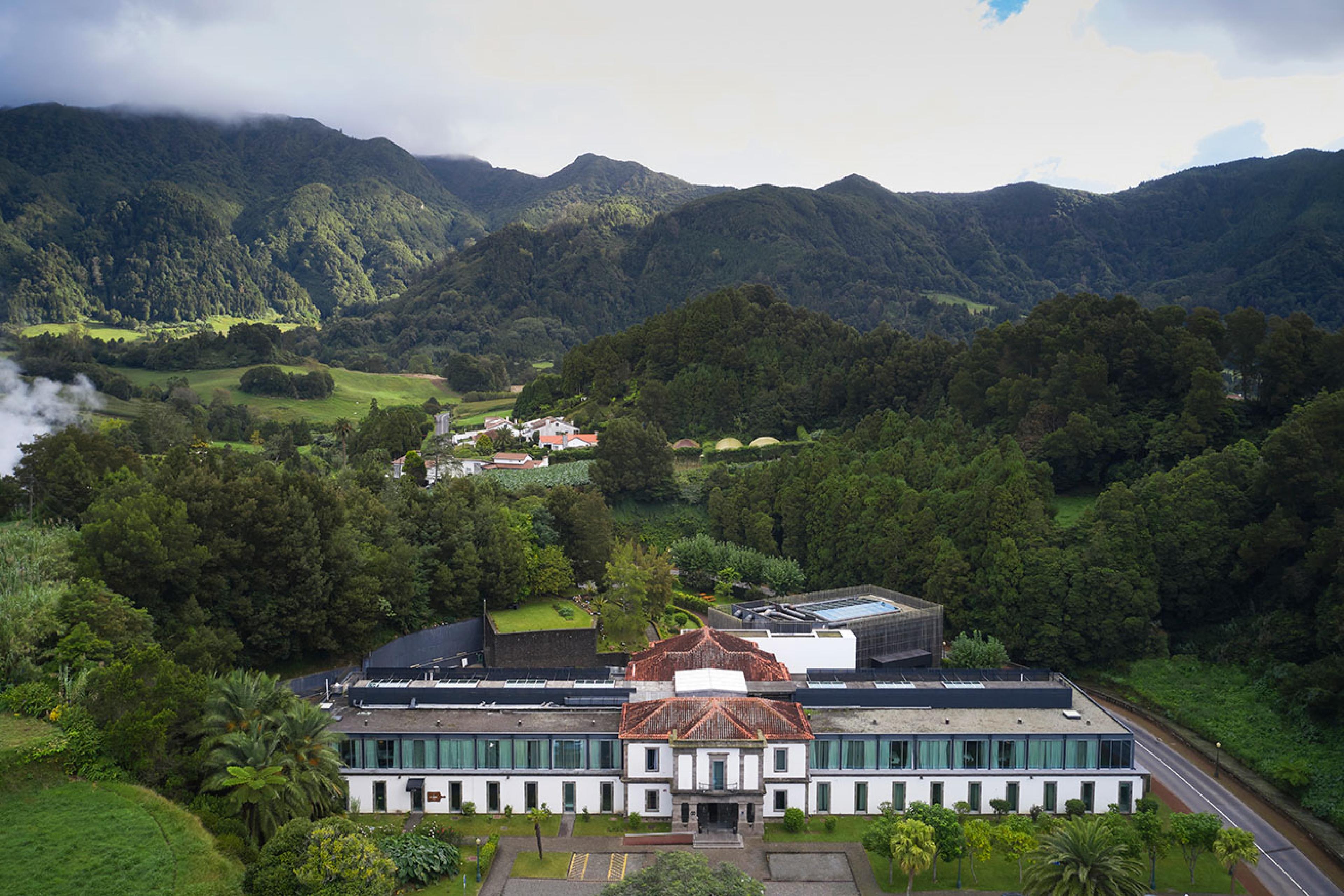
Octant Hotels Furnas
Nestled in the lush volcanic valley of Furnas, about 45 minutes from Ponta Delgada Airport, Octant Furnas is one of the Azores' most unique wellness retreats, centered around one of Europe's highest concentration of thermal springs.
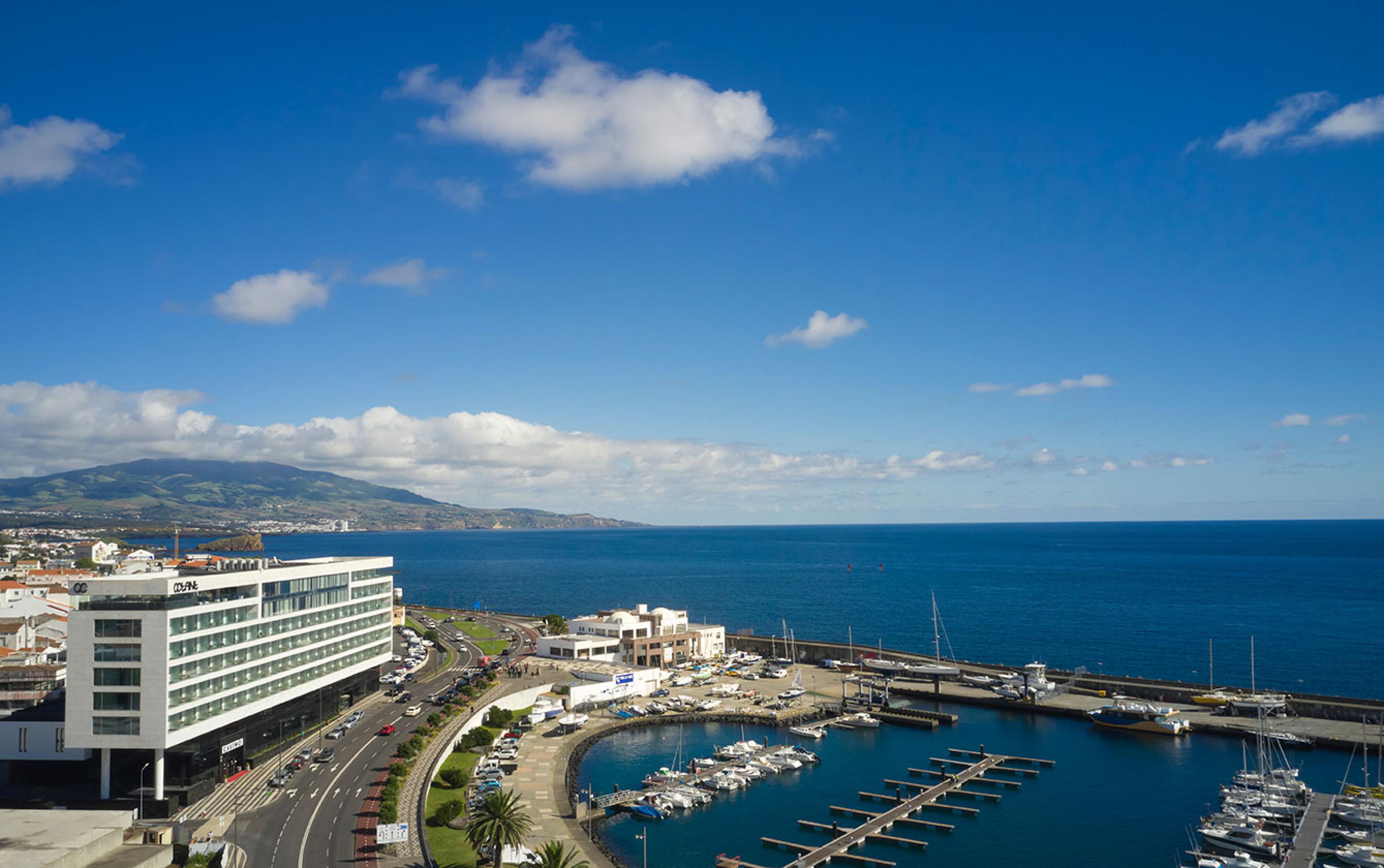
Octant Hotels Ponta Delgada
Occupying a prime waterfront position overlooking Ponta Delgada's marina, Octant Ponta Delgada is one of the island's top urban hotels for first-time visitors exploring São Miguel.
Published onAugust 10, 2026
More Inspiration
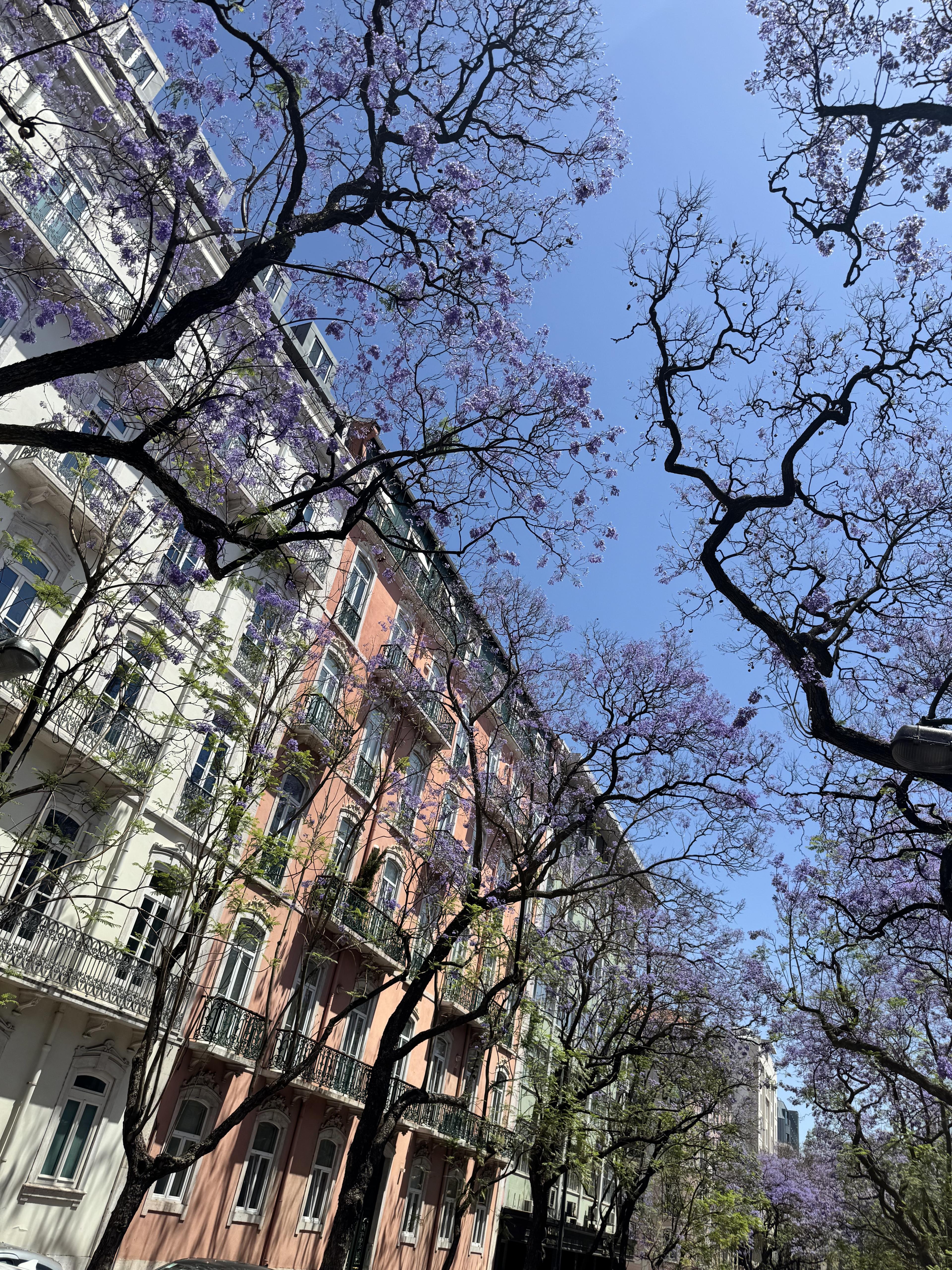
Indagare's Lisbon Cheat Sheet
Lisbon is one of Europe’s most beloved capitals—and with good reason.This cheat sheet cuts through the noise, detailing what exactly you should know.
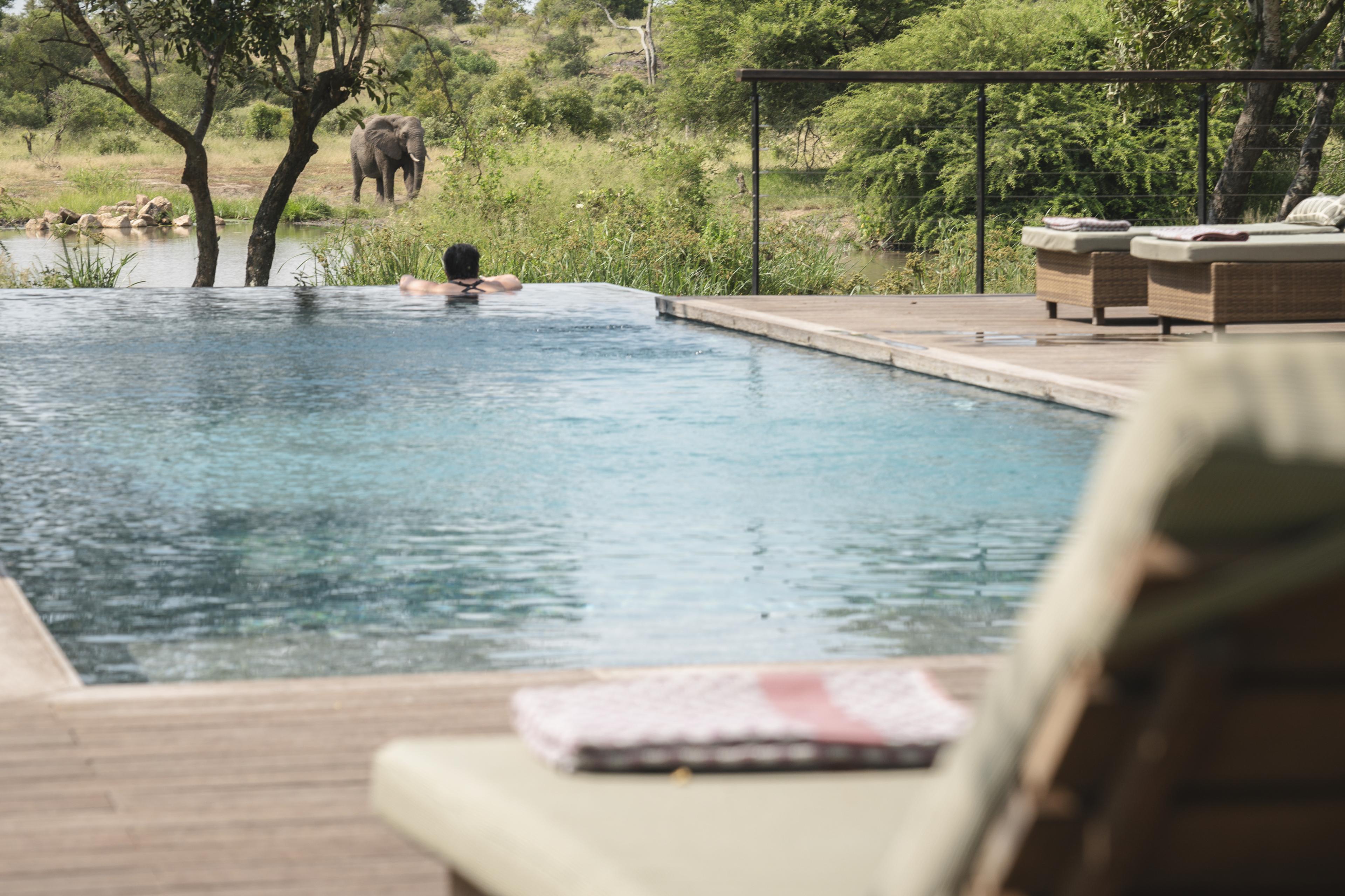
10 Destinations Delivering More for Your Dollar: The Savvy Traveler’s Guide
Iconic destinations like Capri, St. Barths and Gstaad are popular for a reason—incredible landscapes, bucket-list hotels, jet-set clientele—but they can also be overcrowded and expensive. These 10 travel-savvy locales are just as good as (if not better than) their sought-after counterparts but offer greater value for your spend.
Plan Your Trip With Us
We only feature hotels that we can vouch for first-hand. At many of them, Indagare members receive special amenities.
Get in touch